

Fuel Tank
From the Blog
-
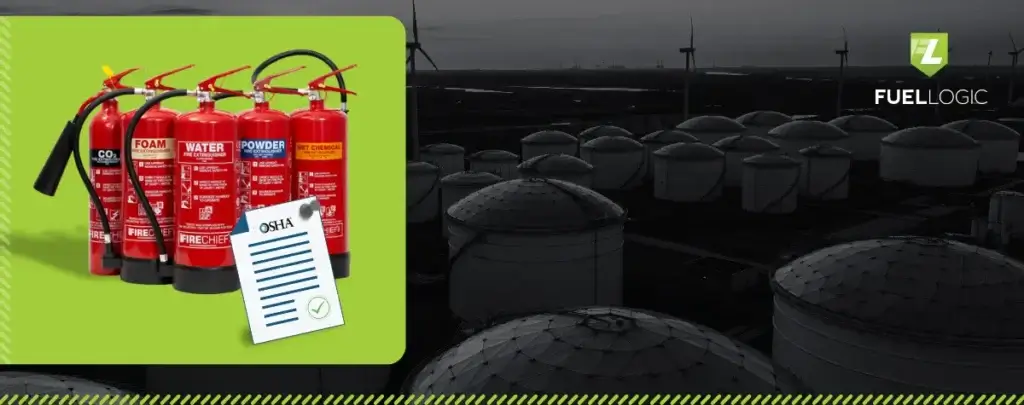
What Are The OSHA Diesel Fuel Storage Regulations?
OSHA mandates storing fuel in approved containers or tanks designed for flammable liquids, with quantities exceeding 25 gallons requiring fire-resistant cabinets, as stated in 2024. Fuel storage areas must be well-ventilated, free from ignition sources, and equipped with a fire extinguisher rated at least 10B within 50 feet of fuel use. How do I comply…
-
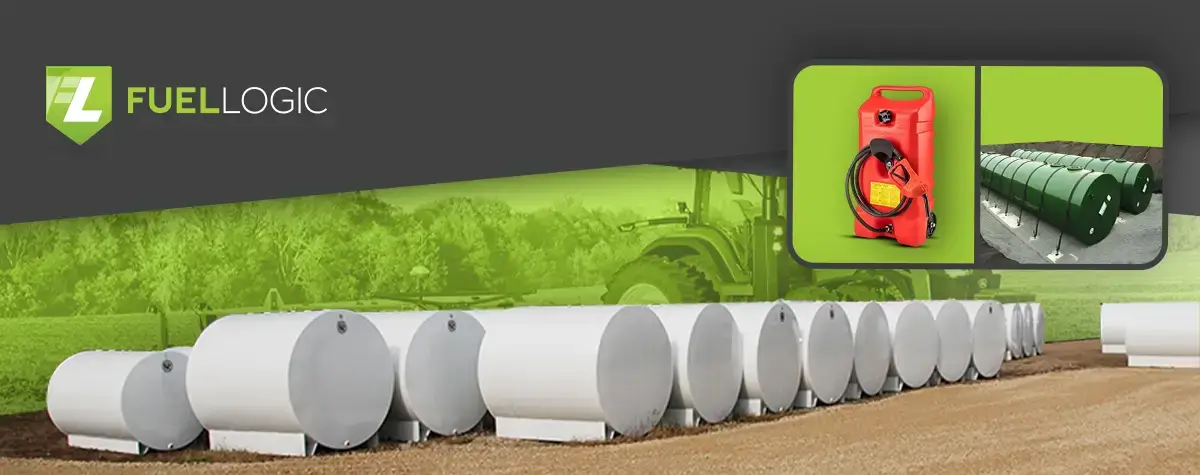
What Are The Different Types of Fuel Storage Tanks For Farms?
Farms utilize above-ground, underground, and portable fuel storage tanks made from steel, fiberglass, or plastic. These tanks are crucial for storing diesel, gasoline, and other fuels for agricultural machinery. Regulations from OSHA and the EPA, including the SPCC Plan for farms storing over 2,500 gallons, govern their safe use and environmental protection. As the demand…
-
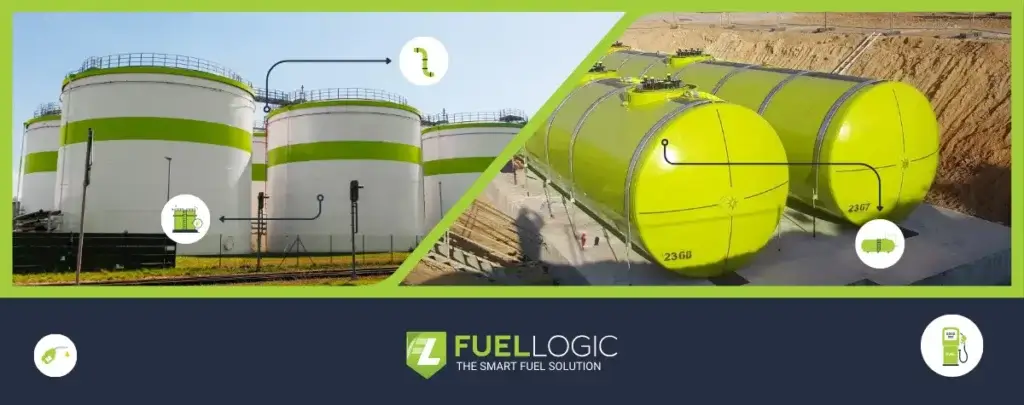
Above Ground vs Underground Fuel Storage Tanks
Above ground (AST) and underground storage tanks (UST) differ in cost, installation, maintenance, and environmental risk. ASTs are easier to install and inspect, while USTs save space and offer better aesthetics. However, USTs typically require higher installation costs and more complex monitoring systems. Fuel storage tanks play a crucial role in various industries, serving as…
-
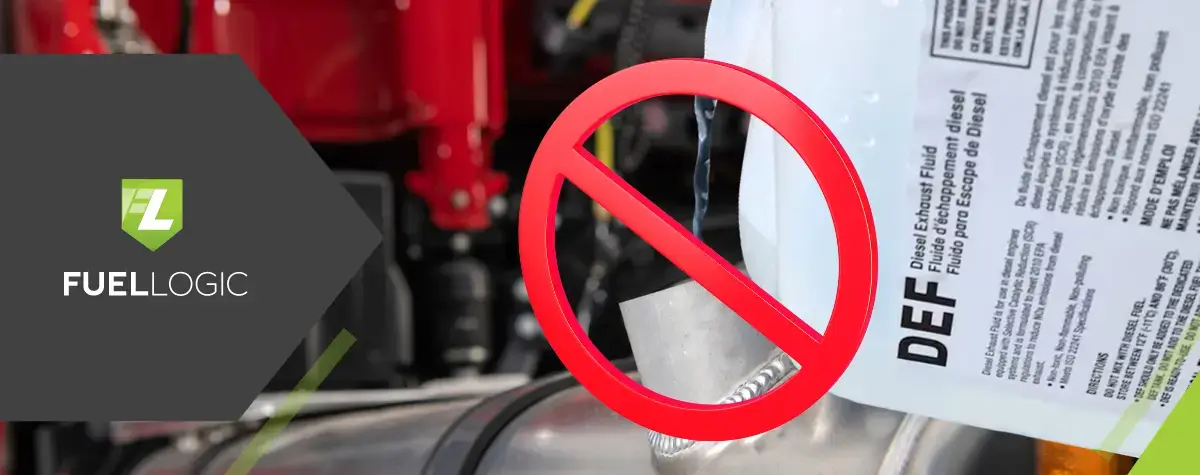
Accidentally Put DEF in My Diesel Tank: What Now?
Putting Diesel Exhaust Fluid (DEF) in a diesel tank contaminates the fuel immediately. The mixture causes corrosion, clogs injectors, and damages pumps, leading to costly repairs. If this happens, do not start the engine, have the tank drained and flushed by a professional mechanic. Diesel engines power construction, farming, and heavy transport, burning large amounts…
-

Water in Gas Tank Symptoms and Solutions Explained
Water in a gas tank causes rough idling, engine misfires, hard starts and stalling. Water contamination disrupts combustion because water is denser than gasoline and settles at the bottom of the tank where the fuel pickup draws from. Even small amounts of water in the fuel system can damage injectors, fuel pumps and fuel lines.…
-
What Is Quality Fuel and Why Is It Important?
Quality fuel adheres to strict standards, ensuring efficiency, low emissions, and engine longevity by being free of contaminants and having high energy content. It meets specific standards and specifications, has a high octane or cetane number, and is crucial for consistent machinery performance, minimizing downtime, and maximizing productivity. From gasoline to diesel, fuel quality plays a…
-
Cube Style or Cylindrical Fuel Tank: What’s the difference?
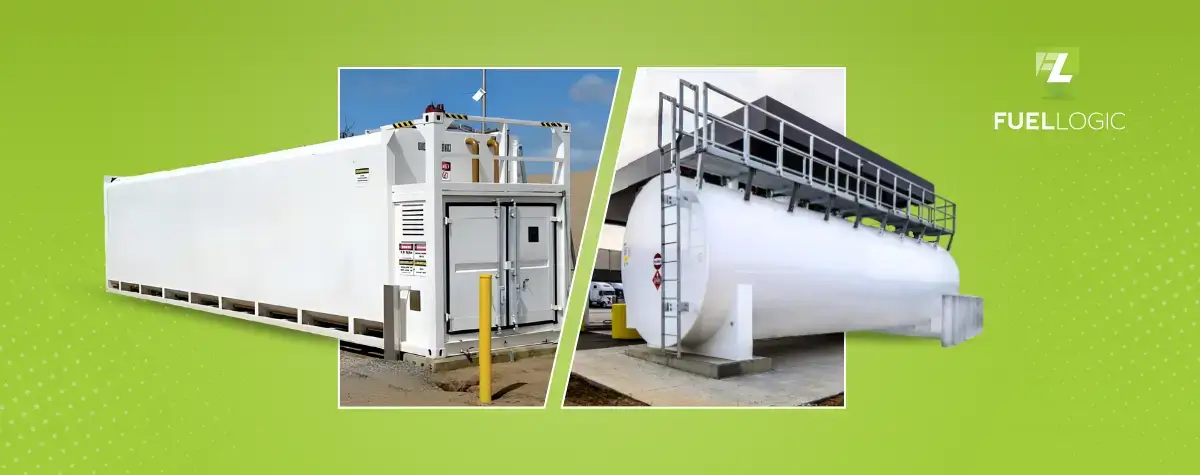
Cube fuel tanks, characterized by their cubic shape, are space-saving, stackable, and easily maneuverable with forklift pockets, often featuring enhanced security and stability. In contrast, cylindrical fuel tanks, with their traditional design, offer stability, durability, versatility in storage, and are often more cost-effective due to standardized manufacturing processes. Selecting the right fuel tank is crucial…
-
Your Complete Guide to Choosing Construction Fuel Tanks
To choose a construction fuel tank, consider project size, fuel usage, mobility, security, and regulatory compliance. Steel tanks offer strength and durability, while aluminum tanks provide a lightweight and corrosion-resistant option for flexible site use. Exploring the landscape of construction fuel tanks is a pivotal aspect of effective project management, seamlessly intertwining considerations of efficiency,…
-

How Does Cold Weather Affect the Fuel Economy?
Cold weather decreases fuel efficiency by 10-20% due to factors like denser air increasing drag, thicker oil creating friction, and longer engine warm-up times. Additionally, colder temperatures cause tire pressure to drop and can decrease the electric-only range of hybrid and electric vehicles, thereby increasing reliance on the internal combustion engine. Cold weather can have…
-
Expert Tips for Better Construction Site Fuel Storage and Safety
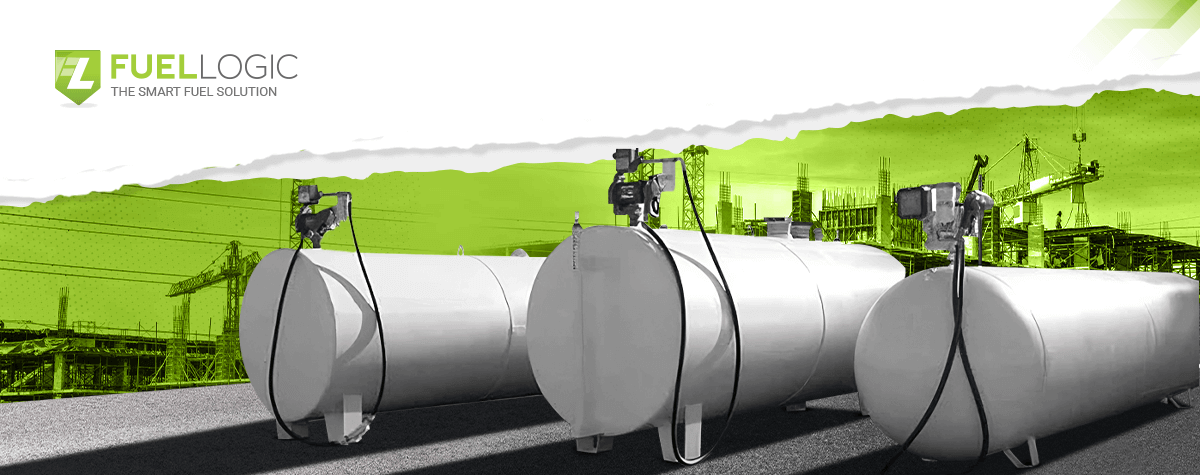
Construction site fuel storage requires storing fuel containers away from heat and egress areas, keeping outlet valves closed. Key practices include using approved containers, maintaining stable temperatures, securing tanks, implementing spill containment, and regularly inspecting tanks and accessories to prevent contamination and ensure safety. Fuel storage on construction sites is a critical aspect of project…