

Fuel Tank
From the Blog
-
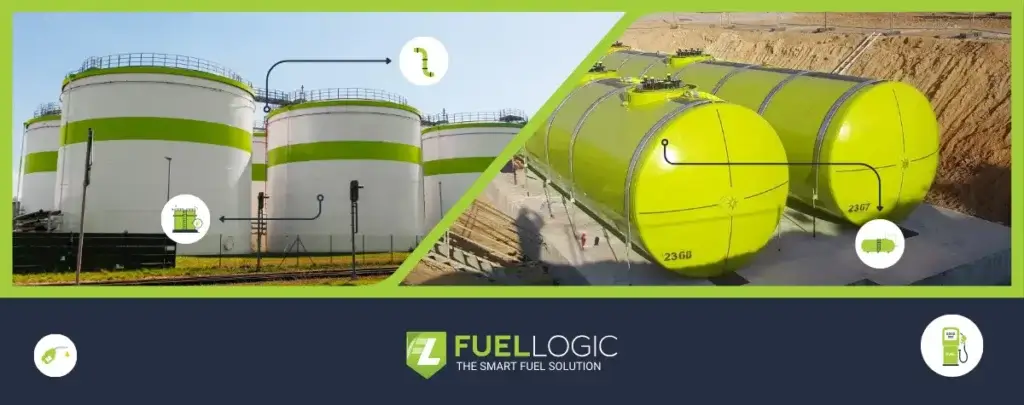
Above Ground vs Underground Fuel Storage Tanks
The main difference between Above Ground Storage Tanks (ASTs) and Underground Storage Tanks (USTs) lies in installation, cost, and maintenance. ASTs are quicker and cheaper to install, easier to maintain, and allow visible leak detection. USTs, on the other hand, require excavation, have higher installation costs, and make leak detection more challenging. Fuel storage tanks…
-
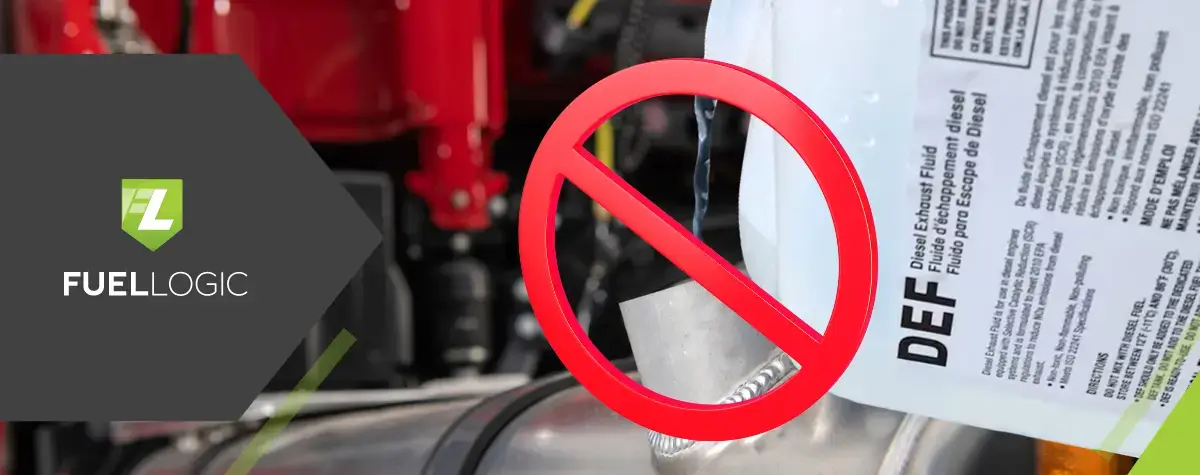
DEF in Diesel Tank: What You Need To Know
Putting Diesel Exhaust Fluid (DEF) in a diesel tank causes severe contamination and corrosion. DEF chemically reacts with diesel fuel, damaging pumps, injectors, and filters. Repairs can cost $10,000-$20,000. Do not start the engine—tow the vehicle, drain the tank, and flush the entire fuel system immediately. Diesel engines power many areas of commercial work. Construction…
-

Water in Gas Tank Symptoms and Solutions Explained
Water in a gas tank causes rough idling, hesitation, or jerking when accelerating. You may notice hard starts, stalling, or reduced power soon after refueling. The check engine light might also turn on due to misfires or fuel contamination. Working with vehicle owners, fleets, and businesses across the US, we often see the same problem:…
-

What Is Quality Fuel and Why Is It Important?
Quality fuel adheres to strict standards, ensuring efficiency, low emissions, and engine longevity by being free of contaminants and having high energy content. It meets specific standards and specifications, has a high octane or cetane number, and is crucial for consistent machinery performance, minimizing downtime, and maximizing productivity. From gasoline to diesel, fuel quality plays a…
-
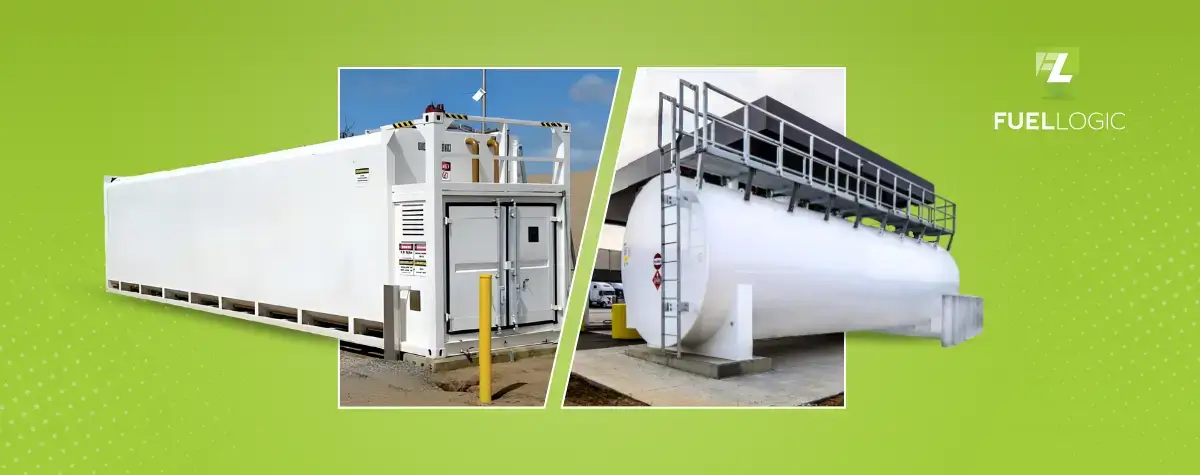
Cube Style or Cylindrical Fuel Tank: What’s the difference?
Cube fuel tanks, characterized by their cubic shape, are space-saving, stackable, and easily maneuverable with forklift pockets, often featuring enhanced security and stability. In contrast, cylindrical fuel tanks, with their traditional design, offer stability, durability, versatility in storage, and are often more cost-effective due to standardized manufacturing processes. Selecting the right fuel tank is crucial…
-
Your Complete Guide to Choosing Construction Fuel Tanks
To choose a construction fuel tank, consider project size, fuel usage, mobility, security, and regulatory compliance. Steel tanks offer strength and durability, while aluminum tanks provide a lightweight and corrosion-resistant option for flexible site use. Exploring the landscape of construction fuel tanks is a pivotal aspect of effective project management, seamlessly intertwining considerations of efficiency,…
-

How Does Cold Weather Affect the Fuel Economy?
Cold weather decreases fuel efficiency by 10-20% due to factors like denser air increasing drag, thicker oil creating friction, and longer engine warm-up times. Additionally, colder temperatures cause tire pressure to drop and can decrease the electric-only range of hybrid and electric vehicles, thereby increasing reliance on the internal combustion engine. Cold weather can have…
-
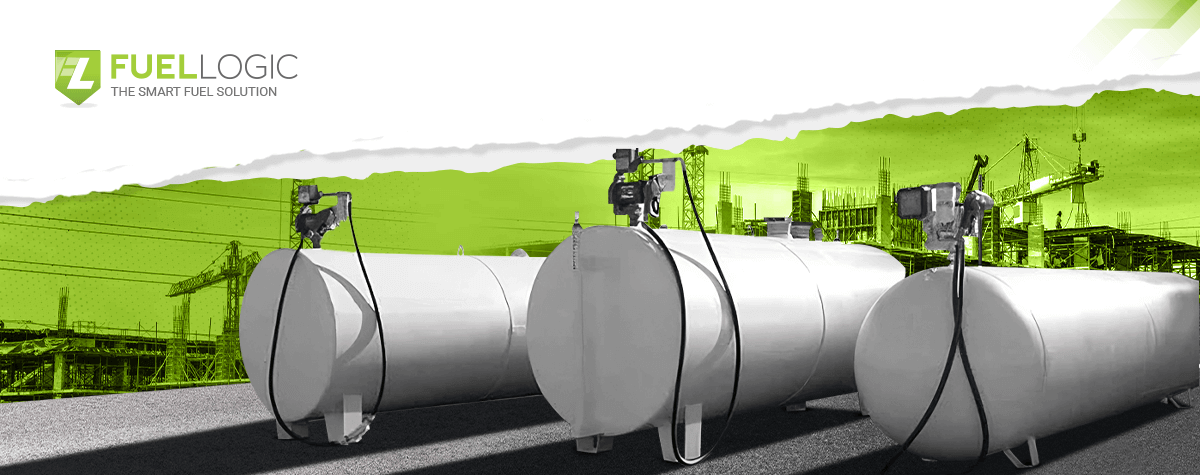
Expert Tips for Better Construction Site Fuel Storage and Safety
Construction site fuel storage requires storing fuel containers away from heat and egress areas, keeping outlet valves closed. Key practices include using approved containers, maintaining stable temperatures, securing tanks, implementing spill containment, and regularly inspecting tanks and accessories to prevent contamination and ensure safety. Fuel storage on construction sites is a critical aspect of project…
-

Fuel Tank Cleaner – Best Way to Clean a Gas Tank or Fuel Tank
What Is a Fuel Tank Treatment? A fuel tank treatment cleans and protects the tank by removing rust, varnish, and moisture that cause corrosion. It dissolves deposits, prevents contamination, and extends fuel system life. Regular use keeps fuel fresh and prevents damage from buildup or water. A fuel tank cleaning often called a fuel system…
-

The Importance of Bulk Tank Maintenance For Landscapers
Regular bulk fuel tank maintenance is essential for landscapers to maintain equipment performance, maximize fuel efficiency, and ensure safe operations, preventing costly downtime. In 2024, the fuel tank market reached almost USD 19.55 billion and is projected to increase to USD 29.33 billion by 2032. Inspections should be at least annual, though more frequent checks…