

Fuel delivery
From the Blog
-

How Much Fuel Can You Transport Without a HAZMAT Endorsement?
You can transport up to 119 gallons (about 450 liters) of fuel in a single container without a HAZMAT endorsement, under USDOT’s non-bulk packaging exception. Across multiple containers, the total must remain under 1,001 pounds to avoid placarding and endorsement requirements for hazardous materials transport. You cannot carry more than a specified amount of fuel…
-
The Key Differences Between Diesel Fuel: Diesel 1 vs Diesel 2 Fuel
Diesel #1, or winter diesel, is lighter and resists gelling in freezing temperatures, making it ideal for cold climates. Diesel #2 is denser, offers better fuel efficiency and lubrication, and performs best in warm weather or heavy-duty engines. Diesel fuels come in two main types—Diesel 1 and Diesel 2. While both power diesel engines, they…
-
DEF in Cold Weather: Temperature of DEF Freezing Point
Diesel Exhaust Fluid (DEF) freezes at 12°F (-11°C) due to its 32.5% urea and 67.5% deionized water composition. Freezing doesn’t reduce DEF quality, but expansion during freezing can damage containers. Most vehicles use DEF tank heaters to thaw the fluid automatically. Diesel Exhaust Fluid is a mixture of deionized water and urea. This solution is…
-
Construction Site Refueling Best Practices: A Complete Guide to Fuel Delivery and Management
Construction site refueling best practices include staying alert, preventing spills, ensuring ventilation, properly storing fuel, and avoiding ignition sources. OSHA regulations require using approved containers for flammable liquids and maintaining a 25-foot distance from other operations when transferring over 5 gallons. Key practices also involve keeping refueling sites clean, using containment strategies, and having site…
-
Your Complete Guide to Choosing Construction Fuel Tanks
To choose a construction fuel tank, consider project size, fuel usage, mobility, security, and regulatory compliance. Steel tanks offer strength and durability, while aluminum tanks provide a lightweight and corrosion-resistant option for flexible site use. Exploring the landscape of construction fuel tanks is a pivotal aspect of effective project management, seamlessly intertwining considerations of efficiency,…
-

Fuel Logic’s Stories from the Road: Chasing Adventure with Bugatti
Fuel Logic provided reliable fuel support for Bugatti’s Grand Tour America 2023, ensuring continuous operation for 20 Bugatti sports cars over a four-day excursion from Utah to Colorado. The company supplied 2-3 daily refuelings, adapting to various conditions including sun, rain, and snow, directly from its fuel truck. It is not every day that one…
-
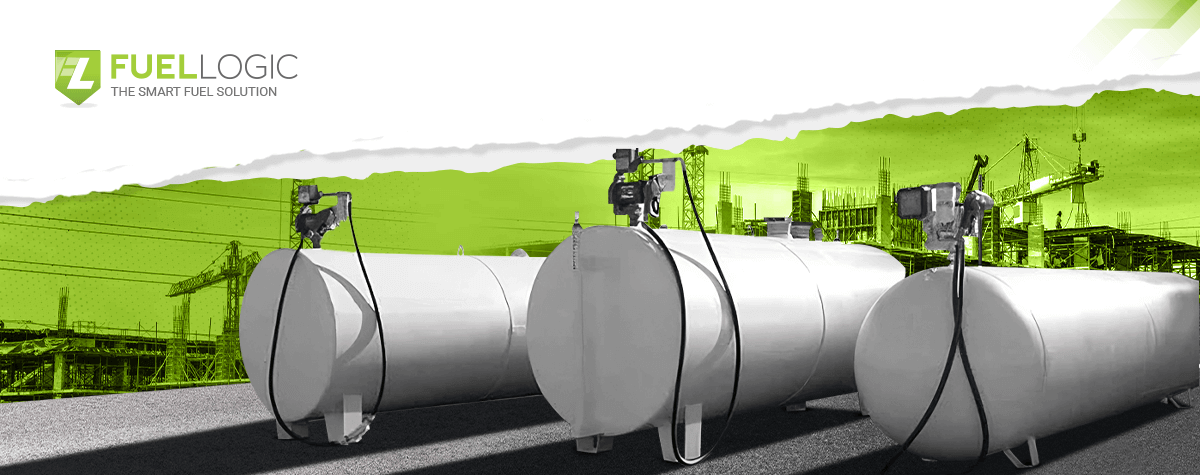
Expert Tips for Better Construction Site Fuel Storage and Safety
Construction site fuel storage requires storing fuel containers away from heat and egress areas, keeping outlet valves closed. Key practices include using approved containers, maintaining stable temperatures, securing tanks, implementing spill containment, and regularly inspecting tanks and accessories to prevent contamination and ensure safety. Fuel storage on construction sites is a critical aspect of project…
-
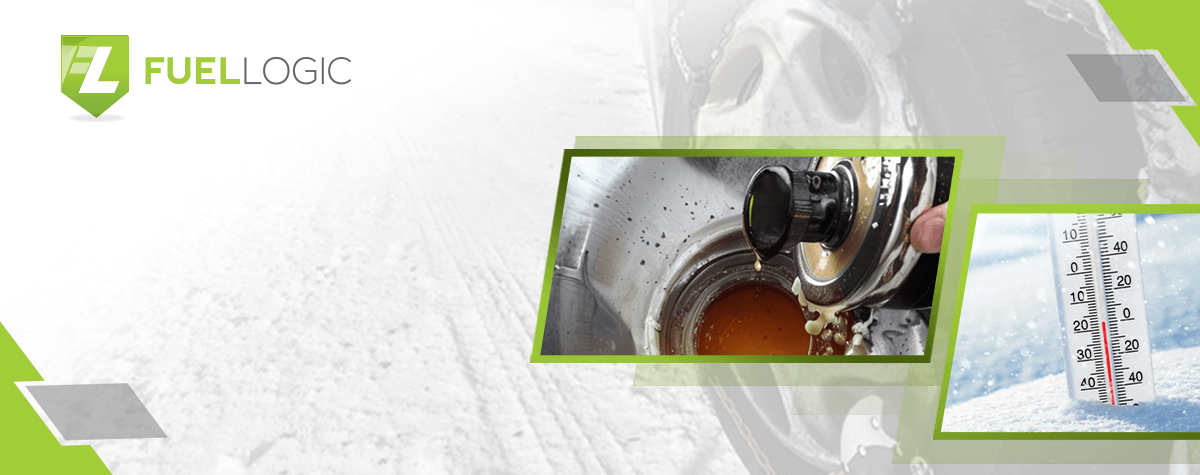
What Happens to Diesel Fuel in Cold Weather?
In cold weather, diesel fuel thickens and gels, potentially clogging fuel filters and causing engine issues, as the paraffin wax it contains solidifies into crystals. These issues can result in reduced fuel flow, engine damage, and in extremely low temperatures, the cloud point can be triggered, where wax crystals form, causing fuel cloudiness. What Happens…
-
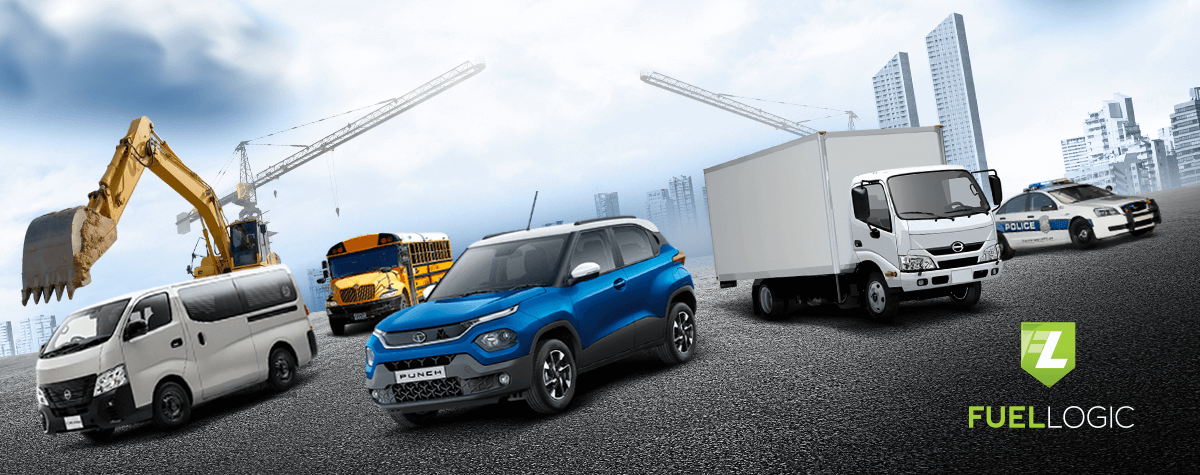
What Is A Fleet Vehicle? An Efficient Fueling Solution for Your Fleet Car
A fleet vehicle is any car, truck, or van owned or leased by a business, government agency, or organization, and not a private individual, playing a crucial role in enhancing operational efficiency and expanding customer reach for various industries. Fleet vehicles play a crucial role in various industries, providing businesses with a dedicated set of…
-
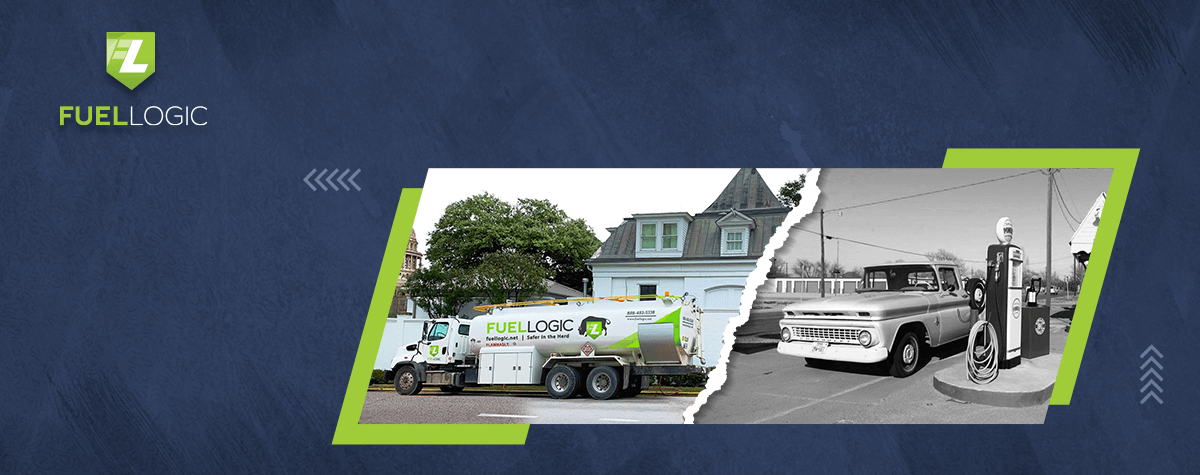
Mobile Fuel Station vs Traditional Gas Station: Your Choice?
The main difference between mobile fuel stations and traditional gas stations is that mobile stations deliver fuel directly to customers, offering cost-effective solutions for remote areas with 24/7 availability and scheduling, while traditional stations have fixed locations and often include amenities like convenience stores. By November 2023, mobile fuel stations are considered efficient for operations…