

Bulk Fuel Articles
From the Blog
-

How Much Fuel Can You Transport Without a HAZMAT Endorsement?
You can transport up to 119 gallons (about 450 liters) of fuel in a single container without a HAZMAT endorsement, under USDOT’s non-bulk packaging exception. Across multiple containers, the total must remain under 1,001 pounds to avoid placarding and endorsement requirements for hazardous materials transport. You cannot carry more than a specified amount of fuel…
-
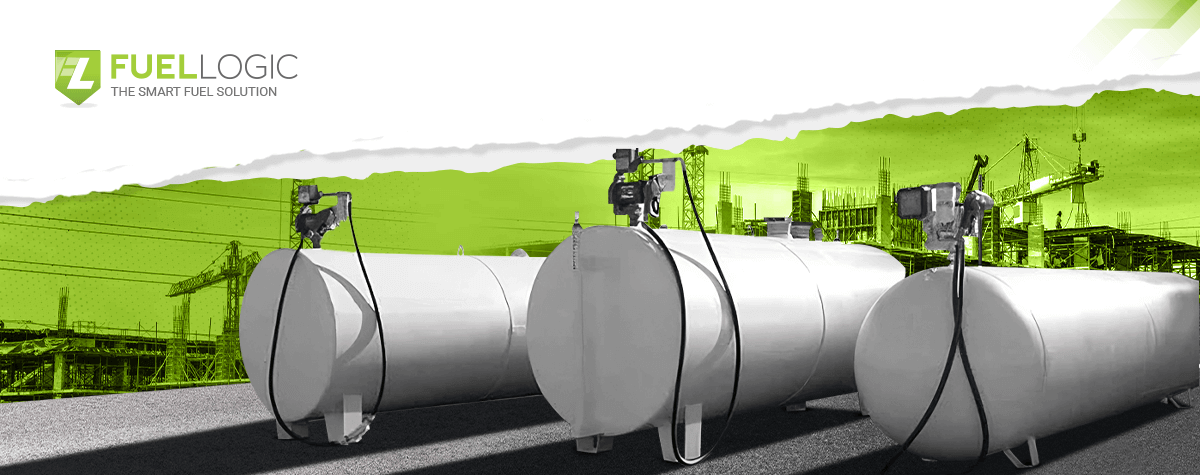
Expert Tips for Better Construction Site Fuel Storage and Safety
Construction site fuel storage requires storing fuel containers away from heat and egress areas, keeping outlet valves closed. Key practices include using approved containers, maintaining stable temperatures, securing tanks, implementing spill containment, and regularly inspecting tanks and accessories to prevent contamination and ensure safety. Fuel storage on construction sites is a critical aspect of project…
-
Use of Commercial Fueling Network Fuel Card & How CFN Can Benefit Your Business
CFN supports fuel marketers through integrated branding and transaction services. Its FleetWide solution connects fleets to an expansive network of 57,000+ fueling stations. Commercial Fueling: Advantages Of Commercial Fuel Network for Your Business Operations A study shows that commercial airplanes have been using more fuel since 2009 and reached an all-time high record in 2019…
-

The Importance of Bulk Tank Maintenance For Landscapers
Regular bulk fuel tank maintenance is essential for landscapers to maintain equipment performance, maximize fuel efficiency, and ensure safe operations, preventing costly downtime. In 2024, the fuel tank market reached almost USD 19.55 billion and is projected to increase to USD 29.33 billion by 2032. Inspections should be at least annual, though more frequent checks…
-
Why Working With A Bulk Diesel Fuel Supplier is a Smart Business Solution
Creating a fleet budget in 2024 involves setting annual goals, reviewing past expenses, forecasting future costs, and tracking results. Key practices for budget management include understanding fixed, variable, and unexpected fleet costs, continuously monitoring and tracking progress, and leveraging technology and AI-powered tools for data accuracy and efficiency. Running a successful business means keeping your…
-

Top Industries That Can Take Advantage of Bulk Fueling – How Bulk Fuel Delivery Saves Money
Construction, agriculture, transportation, manufacturing, power plants, mining, municipalities, service stations, and aviation are top industries that can benefit from bulk fueling due to high fuel demands and continuous operations. Bulk fueling provides on-site, reliable delivery of gasoline or diesel, saving time and money, reducing downtime, and ensuring consistent fuel supply for various equipment and vehicles.…
-
The Dos And Don’ts For Fuel Cubes – Find New Fuel Tank Tips Here
For 2025, fuel cubes are an optimal solution for onsite fuel supply and fleet refueling, offering compact, economic stationary tanks with features like double-walled construction for security, forklift pockets for mobility when empty, and secure hose access for efficient fuel storage and management. Dos And Don’ts to get the most out of diesel fuel tanks…
-
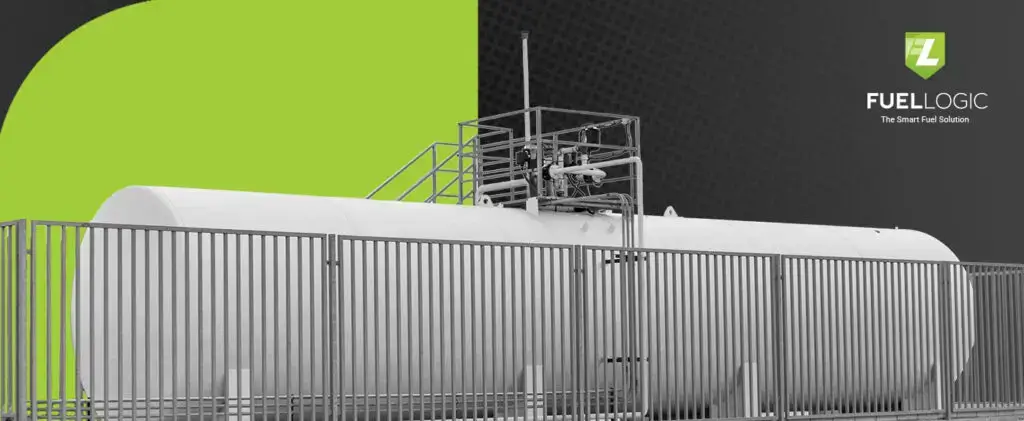
See 6 Safety Tips For Fleets Using Above Ground Fuel Tanks Now!
For fleets using above-ground fuel tanks, safety tips from April 2023 include ensuring a secure setup away from ignition sources on a solid foundation, investing in double-walled and fire-guarded tanks, following spacing and labeling standards, preventing leaks by filling to 95% capacity, conducting regular EPA-approved inspections, and providing annual staff training on safety procedures and…
-

How Long Can You Store Off-Road Diesel? Find Out Now!
Diesel fuel lasts between 6 and 12 months without treatment. When stored in a cool, dry place and treated with stabilizers, it can last up to 24 months. Ultra-Low Sulfur Diesel (ULSD) breaks down faster due to reduced sulfur content, so additives and sealed tanks help extend its usable life. What’s the best way to…