

Fuel Management
From the Blog
-
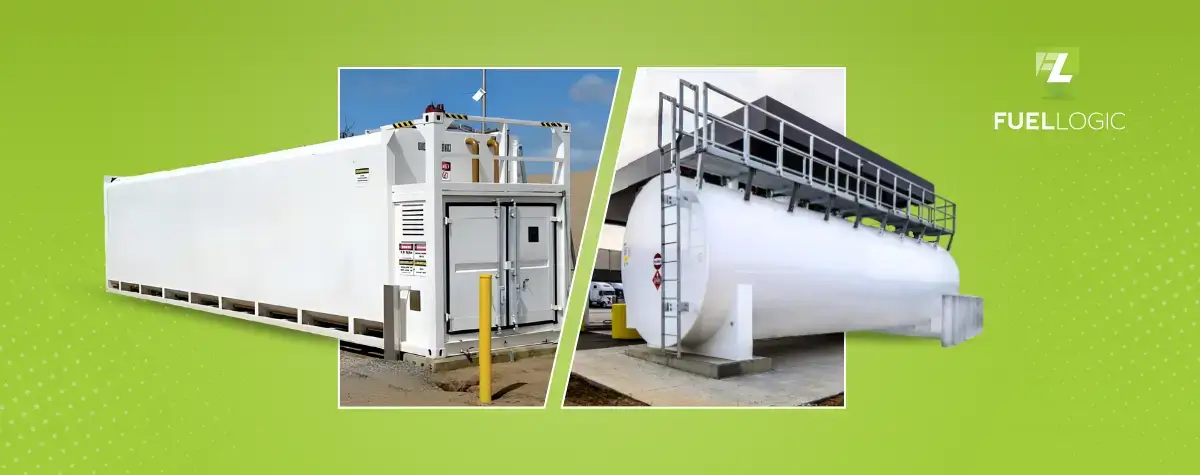
Cube Style or Cylindrical Fuel Tank: What’s the difference?
Cube fuel tanks, characterized by their cubic shape, are space-saving, stackable, and easily maneuverable with forklift pockets, often featuring enhanced security and stability. In contrast, cylindrical fuel tanks, with their traditional design, offer stability, durability, versatility in storage, and are often more cost-effective due to standardized manufacturing processes. Selecting the right fuel tank is crucial…
-

27 Ways to Improve Fuel Economy: Smart Tips to Save Money
Improving fuel economy involves keeping tires properly inflated, avoiding idling, accelerating and braking smoothly, maintaining a steady speed, reducing extra weight, combining trips, changing air filters and oil regularly, and using air conditioning wisely. These habits lower fuel consumption, reduce maintenance costs, and cut carbon dioxide emissions. Fuel efficiency makes vehicles go the extra distance…
-
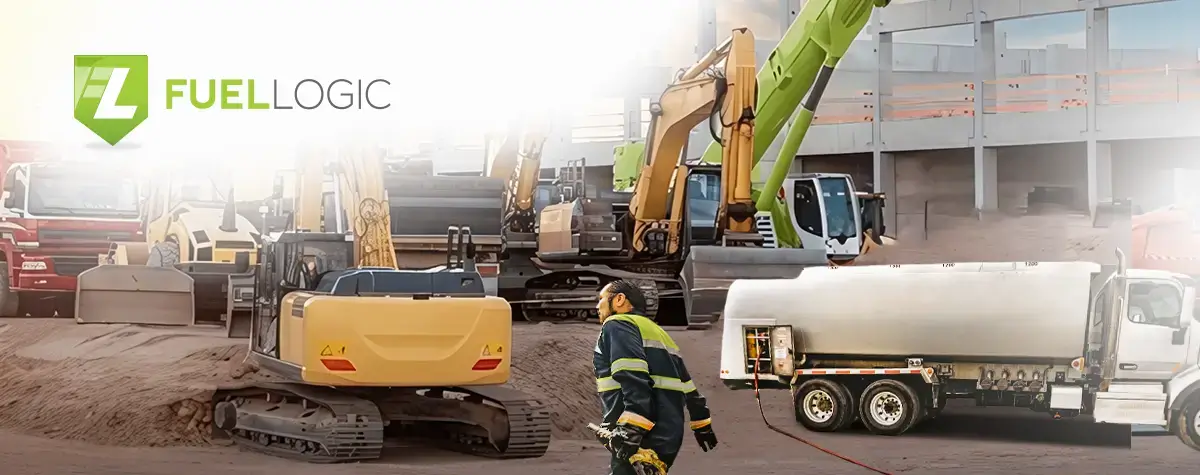
Construction Site Refueling Best Practices: A Complete Guide to Fuel Delivery and Management
Construction site refueling best practices include staying alert, preventing spills, ensuring ventilation, properly storing fuel, and avoiding ignition sources. OSHA regulations require using approved containers for flammable liquids and maintaining a 25-foot distance from other operations when transferring over 5 gallons. Key practices also involve keeping refueling sites clean, using containment strategies, and having site…
-
How Does Cold Weather Affect the Fuel Economy?
Cold weather decreases fuel efficiency by 10-20% due to factors like denser air increasing drag, thicker oil creating friction, and longer engine warm-up times. Additionally, colder temperatures cause tire pressure to drop and can decrease the electric-only range of hybrid and electric vehicles, thereby increasing reliance on the internal combustion engine. Cold weather can have…
-
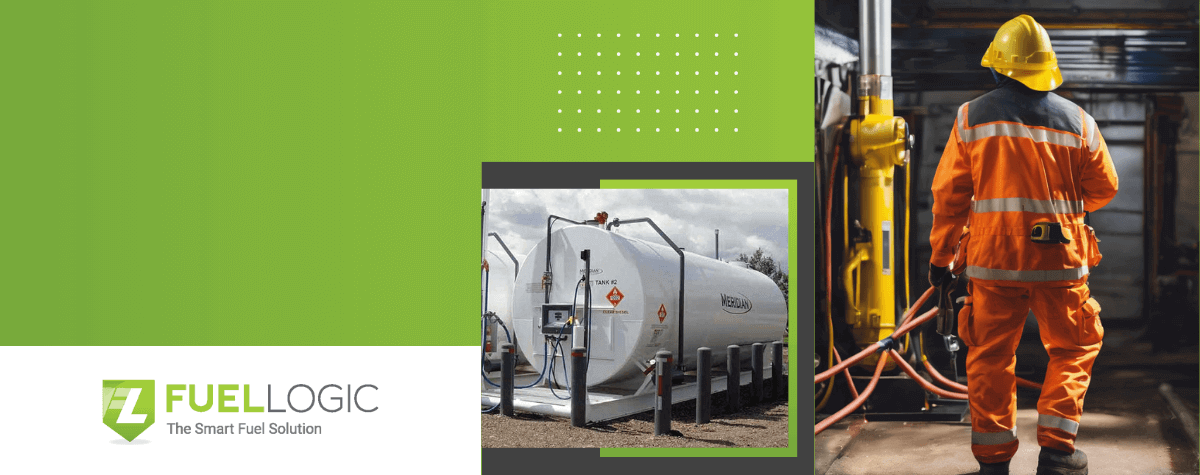
Fuel Handling and Storage Best Practices
Fuel handling and storage best practices focus on safety, compliance, and environmental protection. Store fuel containers away from heat and emergency exits, use DOT-approved containers, and ensure secure, well-ventilated areas. Regular maintenance, leak detection, and adherence to regulations help prevent soil and water contamination and reduce fire risks. The implementation of best practices is vital…
-
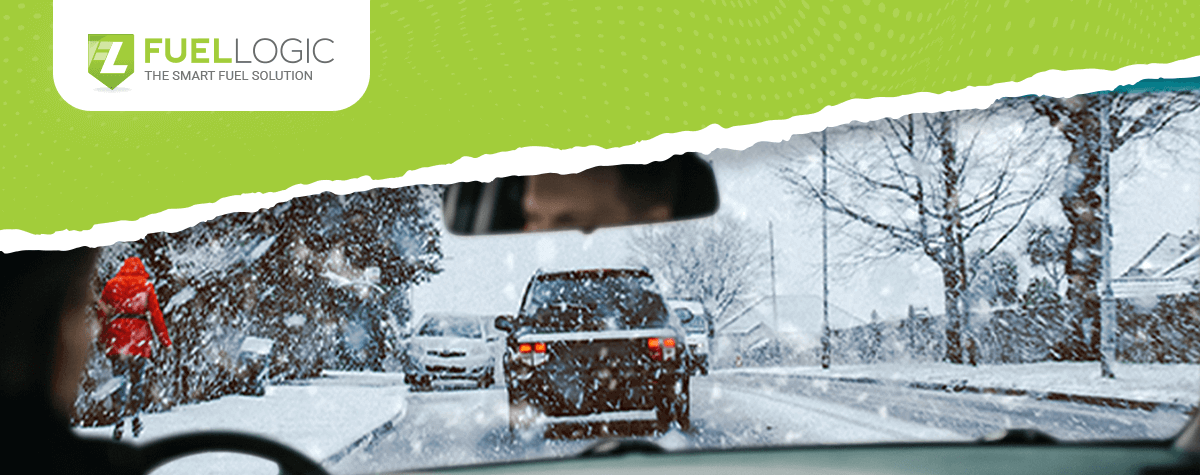
How to Get Better Gas Mileage in Winter: Boost Your Fuel Efficiency
To boost winter gas mileage, drivers should maintain proper tire inflation, reduce idling, use appropriate oil, and drive smoothly, as cold weather lowers efficiency. For 2024, the BMW 330e hybrid leads with 217.3 mpg, and the Mercedes-Benz E300 De diesel also achieves 217.3 mpg, highlighting vehicle choice and maintenance for fuel efficiency in cold conditions.…
-

Maximize Fuel Economy in Cold Weather: Expert Tips for Efficiency
To maximize fuel economy in cold weather, minimizing idling, combining trips, using the correct oil, checking tire pressure, and limiting accessory use are recommended. Denser cold air, prolonged engine warm-up, additional power usage, reduced tire pressure, increased aerodynamic resistance, and challenging road conditions all decrease fuel economy. Proven Ways to Improve Fuel Economy in Cold…
-
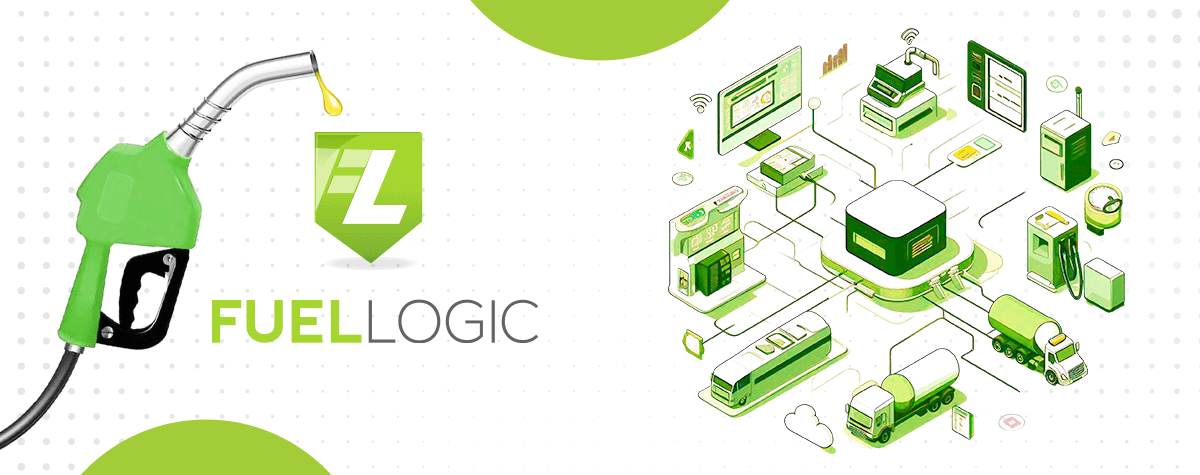
Benefits of Fuel Management Systems and Fuel Monitoring
As of December 2025, Fuel Management Systems (FMS) significantly reduce costs and waste by tracking fuel usage and inventory for businesses, especially those with large fleets. FMS helps save money, boost fuel consumption efficiency, enhance security through real-time tracking, simplify refueling with mobile solutions, and reduce maintenance costs by providing accurate data on fuel dispensing.…