

Diesel Exhaust Fluid
From the Blog
-
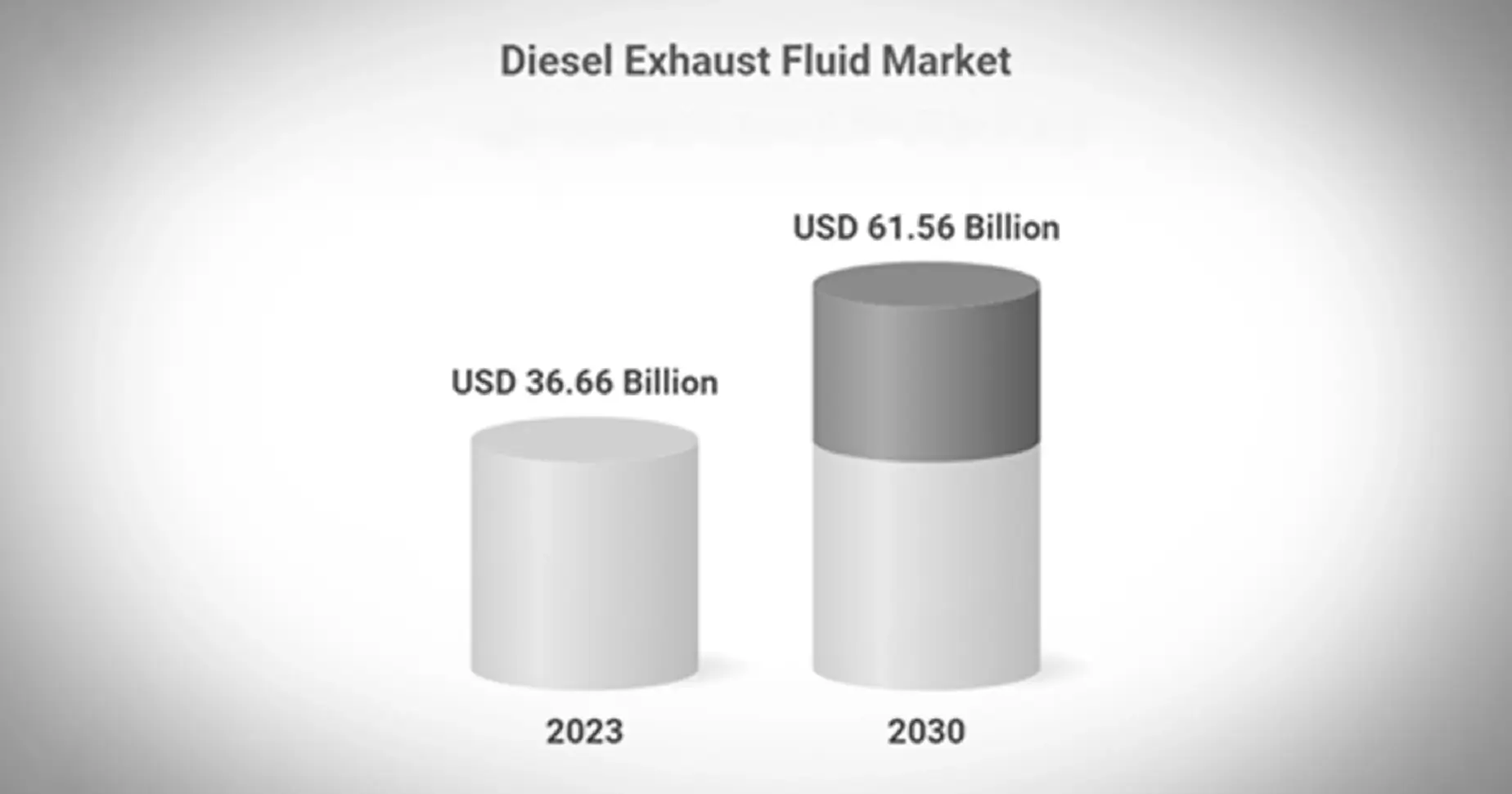
Diesel Exhaust Fluid Market Expected to Reach $61.56 Billion by 2030
The Diesel Exhaust Fluid (DEF) market is projected to reach $61.56 billion by 2030, growing at a 7.9% compound annual growth rate (CAGR) from 2024, driven by strict environmental regulations, increased adoption across industries, and technological advancements. The Diesel Exhaust Fluid market exhibits a projected growth rate of 7.9% compound annual growth rate (CAGR) between…
-
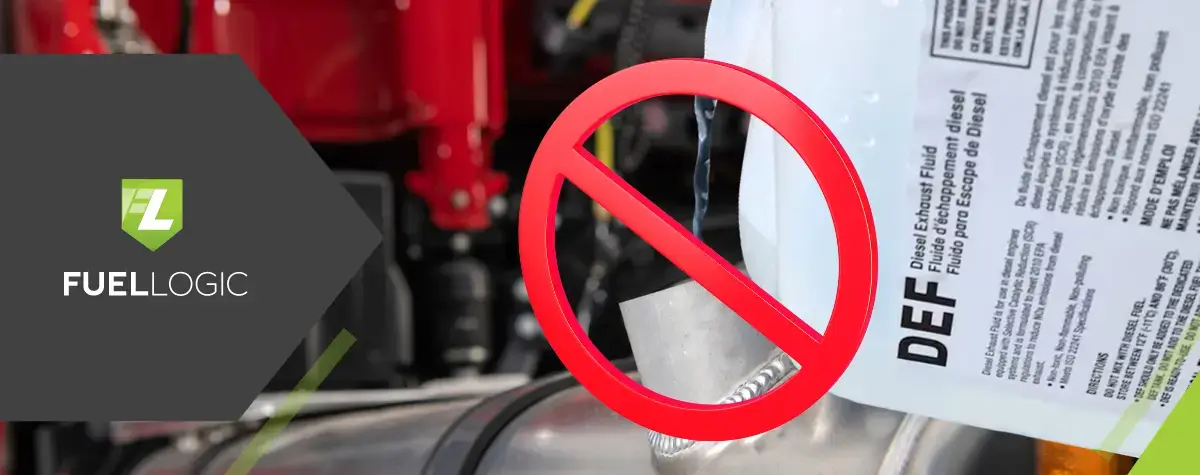
Accidentally Put DEF in My Diesel Tank: What Now?
Putting Diesel Exhaust Fluid (DEF) in a diesel tank contaminates the fuel immediately. The mixture causes corrosion, clogs injectors, and damages pumps, leading to costly repairs. If this happens, do not start the engine, have the tank drained and flushed by a professional mechanic. Diesel engines power construction, farming, and heavy transport, burning large amounts…
-
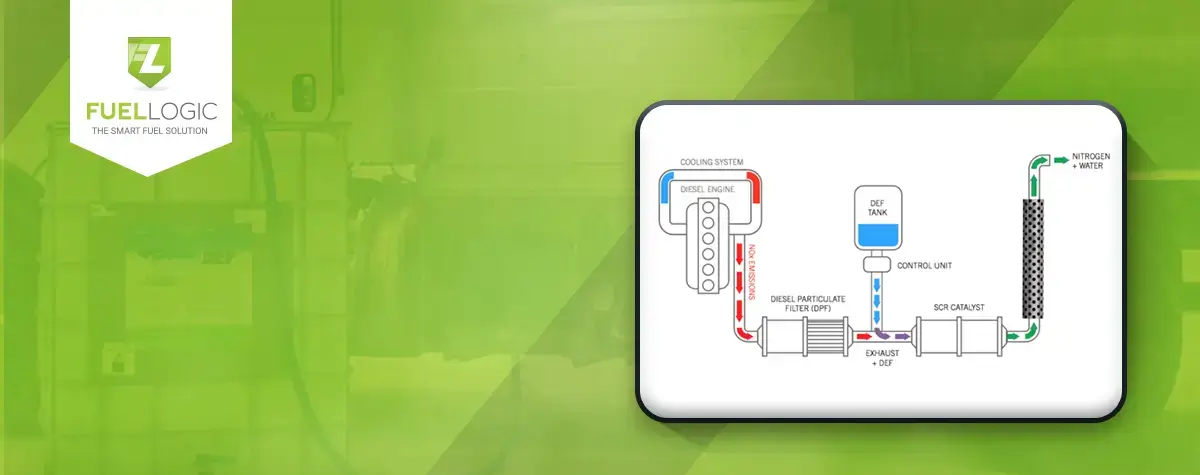
What is DEF? How Does DEF Fluid Work in Diesel Engines
Diesel Exhaust Fluid (DEF) works by being injected into a diesel engine’s exhaust stream, where it converts into ammonia and reacts with nitrogen oxides (NOx) in the Selective Catalytic Reduction (SCR) system. This reaction transforms harmful gases into harmless nitrogen and water, reducing diesel emissions. How does DEF fluid work is crucial in understanding the…
-
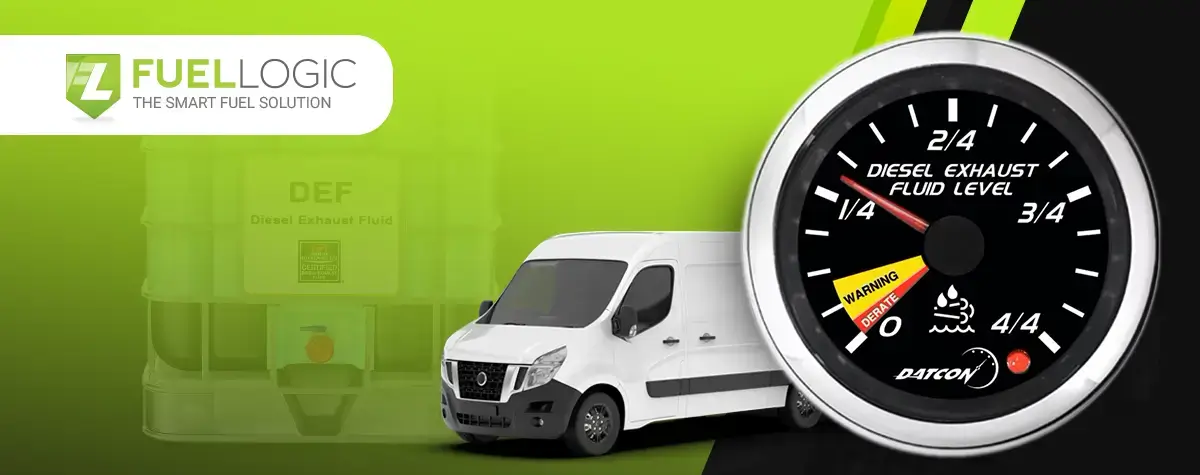
How to Check Your Diesel Exhaust Fluid Level
To check if your Diesel Exhaust Fluid (DEF) is low, look for a DEF warning light or message on your dashboard, or a DEF gauge near the fuel gauge. You can also visually inspect the DEF tank for minimum/maximum markings, or use a dipstick if available, to compare the level with the recommended range. Diesel…
-

Is All Diesel Exhaust Fluid (DEF) the Same?
All Diesel Exhaust Fluid (DEF) that meets ISO 22241 specifications is chemically identical, 32.5% high-purity urea and 67.5% deionized water. Certified DEF brands perform the same in your Selective Catalytic Reduction (SCR) system, with differences only appearing from poor storage, contamination, or lack of certification. So, is all DEF fluid the same? Essentially, all DEF…
-

Common DEF System Problems
Common DEF system problems cause engine de-rate or limp mode. Typical issues include crystallized fluid clogging injectors, contamination from dirt or wrong fluids, freezing at low temperatures, and sensor failures. These problems, often triggered by low or poor-quality DEF, can cause faulty readings and costly SCR system damage. DEF is a key component in the…
-

DEF in Cold Weather: Temperature of DEF Freezing Point
Diesel Exhaust Fluid (DEF) freezes at 12°F (-11°C) due to its 32.5% urea and 67.5% deionized water composition. Freezing doesn’t reduce DEF quality, but expansion during freezing can damage containers. Most vehicles use DEF tank heaters to thaw the fluid automatically. Diesel Exhaust Fluid is a mixture of deionized water and urea. This solution is…
-
Why is DEF so expensive?
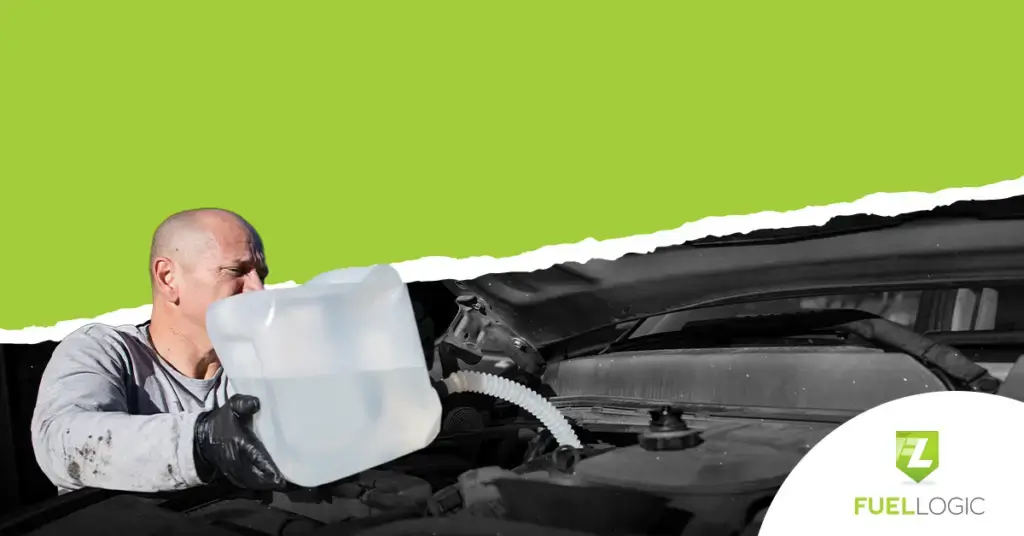
The premium cost of Diesel Exhaust Fluid (DEF) is driven by the rising price of high-grade urea and persistent supply chain instabilities that hamper both manufacturing and distribution. Why is DEF so expensive? As businesses have been struggling with the high cost they have to pay due to the increase in prices of not only…
-
Diesel Exhaust Fluid: Key Facts About DEF Tank
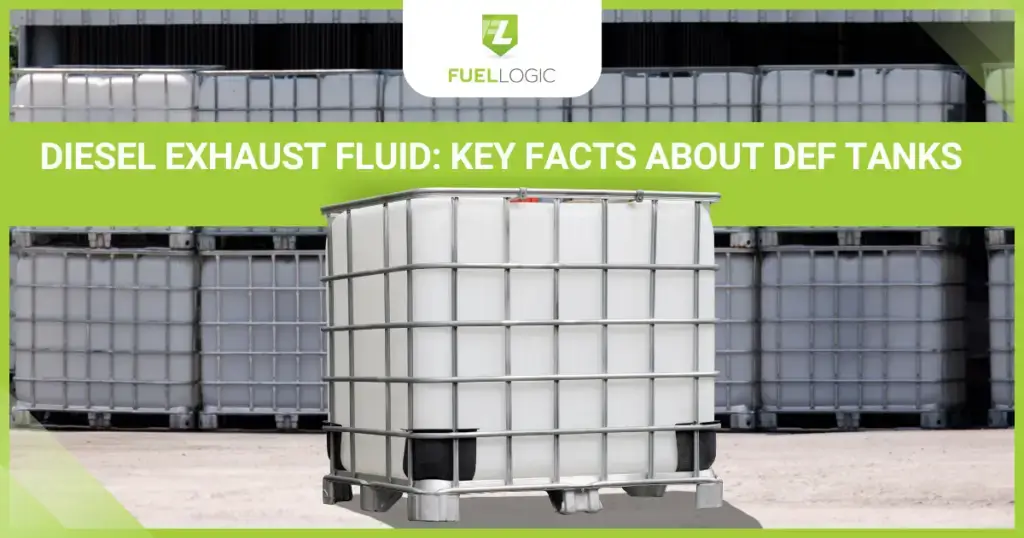
A Diesel Exhaust Fluid (DEF) tank stores a non-toxic solution of 32.5% urea and 67.5% deionized water used in SCR systems to reduce NOx emissions. Tanks vary by vehicle type, require refilling every 5,000-7,000 miles, and may have heaters to prevent freezing at low temperatures. Diesel Exhaust Fluid (DEF) and DEF Tanks Overview As industries…
-

DEF Diesel Exhaust Fluid: 15 FAQs About DEF Fluid
Diesel Exhaust Fluid (DEF) is a clear, non-toxic liquid made from 32.5% high-purity urea and 67.5% deionized water. It is used in diesel vehicles equipped with Selective Catalytic Reduction (SCR) systems to reduce harmful nitrogen oxide emissions (NOx) by converting them into nitrogen and water vapor. What You Need to Know About Diesel Exhaust Fluid…