

Eliot Vancil
Articles from this Author
-
Fleet Management for Small Businesses: FAQs Answered by Experts
Fleet management for small businesses involves using specialized tools and software to monitor vehicles, track drivers, and schedule maintenance—helping boost efficiency, safety, and profitability. The global fleet management market was valued at $23.4 billion in 2024, with growth driven by both large companies and small fleets. According to some analysis, it will see a compound…
-
AI Route Optimization Cuts Fleet Costs by 20%
AI route optimization technology can cut fleet operating costs by up to 20% by improving fuel efficiency, minimizing idle time, and reducing wear and tear. Using machine learning and predictive analytics, it identifies optimal routes based on traffic, weather, road conditions, and delivery schedules resulting in shorter routes, less waiting, and lower fuel consumption. AI…
-
Top Fleet Management Duties for Optimized Fleets
Fleet management duties for optimized fleets include ensuring compliance with safety regulations, implementing cost-effective maintenance programs, and leveraging technology like GPS tracking and telematics for enhanced efficiency, improved routes, and reduced fuel waste to address the 60% fuel cost in fleet operating expenses. Every drop of fuel wasted is money burned. Fuel makes up approximately…
-
Common Telematics Mistakes in Fleet Management
Common telematics mistakes in fleet management include poor setup, inconsistent use, weak communication, lack of support, and ignoring driver privacy, which can lead to increased costs and reduced operational efficiency. Addressing issues like incorrect installation, ignoring data insights, and neglecting security protocols significantly improves fleet safety and fuel economy. Telematics are highly useful in fleet…
-
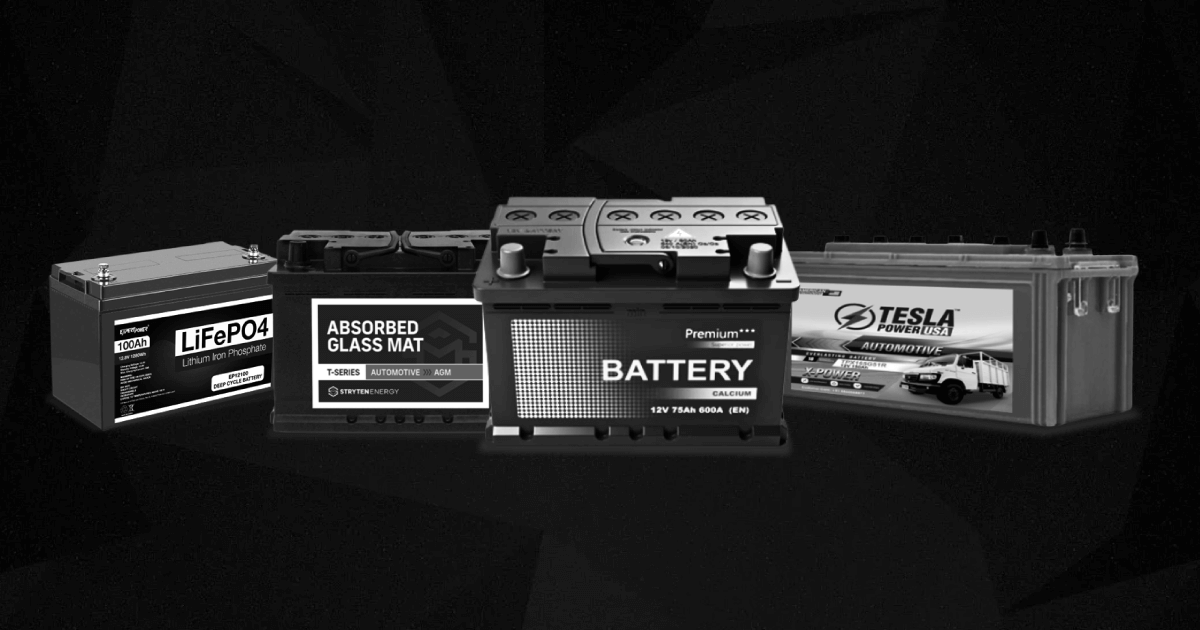
Heavy-Duty Truck Batteries: What Fleet Managers Need to Know
Heavy-duty truck batteries are high-capacity, specialized batteries for commercial vehicles, with lead-acid, AGM, and lithium-ion (LiFePO4) being common types. LiFePO4 batteries offer 8-15 years lifespan, costing $500-$1000, while AGM batteries last 4-5 years at $200-$400, and lead-acid batteries last 2-3 years at $100-$200. Do you know that battery issues are the most common cause of…
-
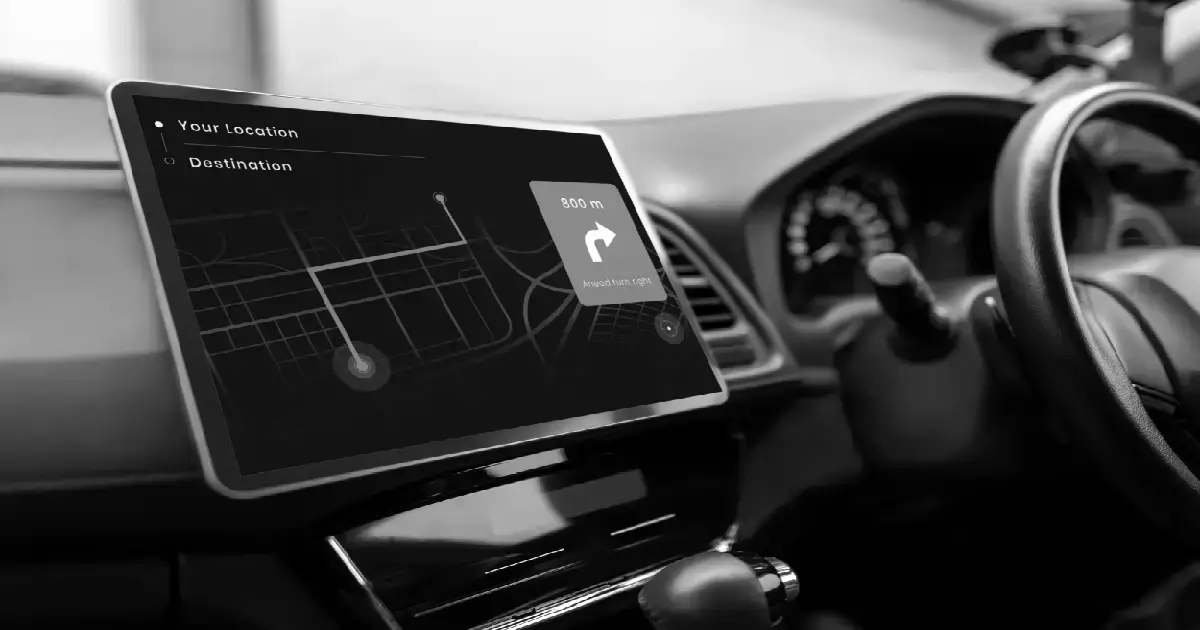
7 Ways to Slash Fleet Fuel Costs with Telematics
As of December 2024, telematics helps reduce fleet fuel costs by using GPS and on-board diagnostics to track vehicle movements and performance, integrating with fleet management systems, optimizing routes, monitoring driver behavior, preventing excessive idling, managing speed, tracking maintenance needs, and enabling fuel card management. Fuel is the most significant operating expense that burdens fleet…
-

What is Route Planning in Fleet Management?
Route planning in fleet management is the process of selecting optimal delivery routes based on factors like traffic and schedules to improve efficiency and reduce costs, potentially saving about 20% of fleet running costs by minimizing delays, fuel consumption, and environmental impact. Proper route optimization can help you save about 20% of your fleet running…
-
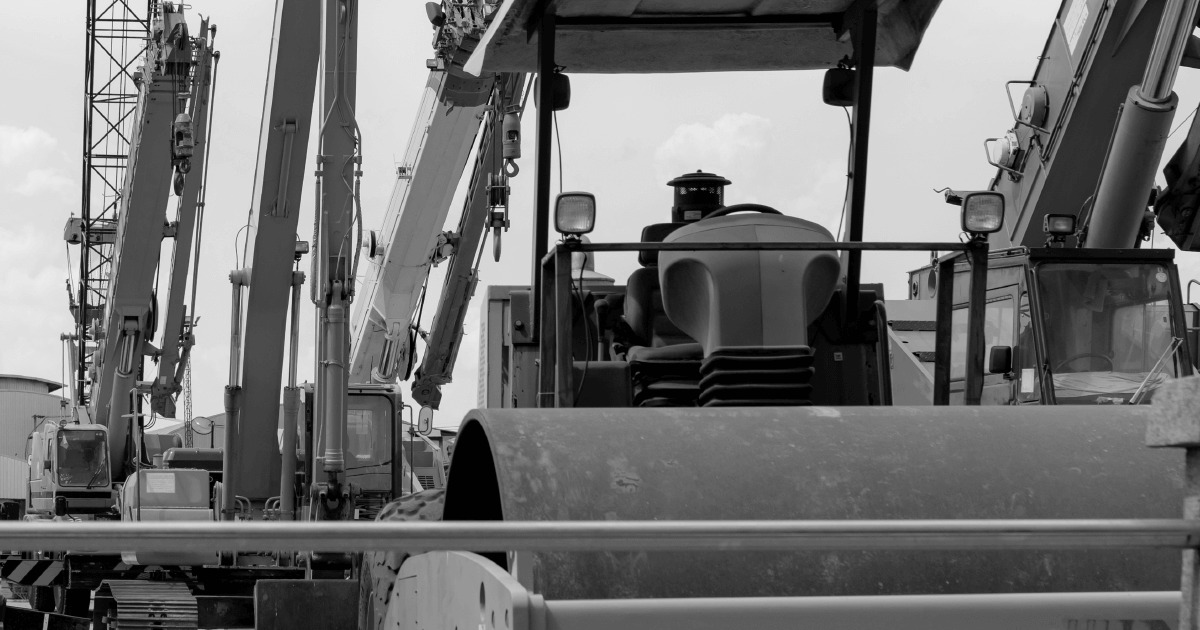
Different Types of Construction Vehicles for Your Fleet
Common construction vehicles include bulldozers, excavators, loaders, scrapers, dump trucks, concrete mixers, cranes, and forklifts. These vehicles are categorized into earthmoving, material handling, and road construction equipment. The right selection of vehicles for a fleet is crucial for managing project costs and timelines. Choosing the right construction vehicles for your fleet is a key decision…
-
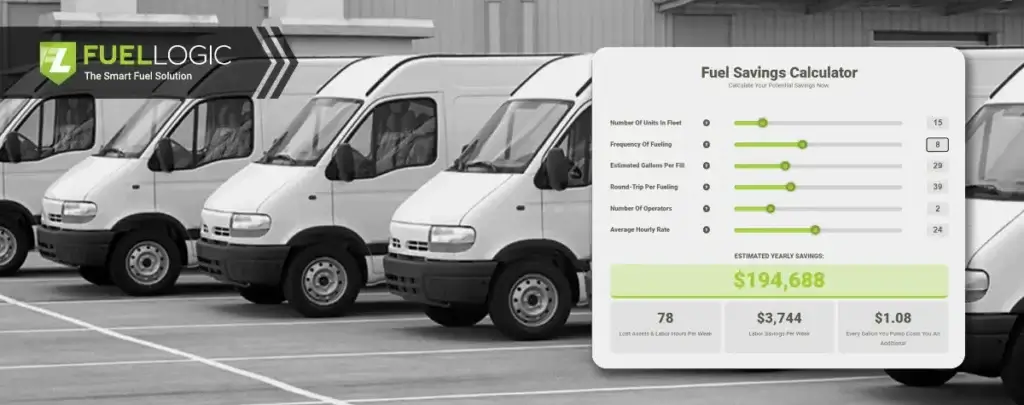
Benefits of Using a Fuel Estimator for Your Fleet Operations
A fuel estimator aids fleet operations by cutting costs through monitoring fuel consumption, optimizing routes, and improving driver performance, according to information updated December 4, 2025. It also helps with cost-effective planning, predicting fuel use based on factors like distance and vehicle type, and enabling smarter budgeting for bulk fuel orders.
-
Get Gasoline Deliveries Directly to Your Fleet or Equipment
Direct gasoline delivery services provide on-site refueling for fleets and equipment nationwide, eliminating trips to gas stations. These services offer on-demand, scheduled, emergency, and bulk deliveries, ensuring a consistent fuel supply. They reduce downtime, lower costs, and increase productivity across industries such as construction, agriculture, transportation, and more while maintaining strict safety protocols and using…