

Brandon Ward
Articles from this Author
-

Common DEF System Problems And How To Fix Them
Common DEF system problems cause engine de-rate or limp mode. Typical issues include crystallized fluid clogging injectors, contamination from dirt or wrong fluids, freezing at low temperatures, and sensor failures. These problems, often triggered by low or poor-quality DEF, can cause faulty readings and costly SCR system damage. DEF is a key component in the…
-
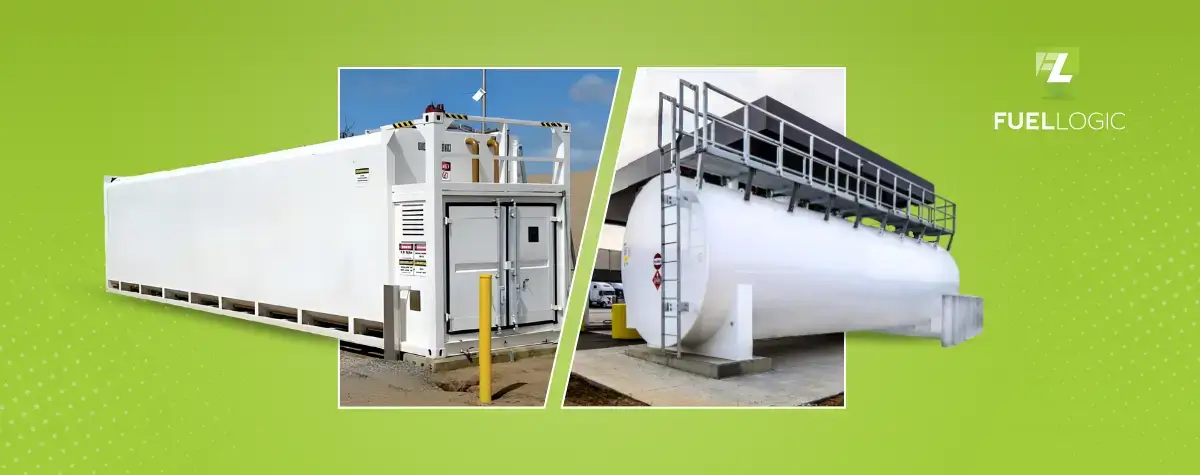
Cube Style or Cylindrical Fuel Tank: What’s the difference?
Cube fuel tanks, characterized by their cubic shape, are space-saving, stackable, and easily maneuverable with forklift pockets, often featuring enhanced security and stability. In contrast, cylindrical fuel tanks, with their traditional design, offer stability, durability, versatility in storage, and are often more cost-effective due to standardized manufacturing processes. Selecting the right fuel tank is crucial…
-

How Much Fuel Can You Transport Without a HAZMAT Endorsement?
You can transport up to 119 gallons (about 450 liters) of fuel in a single container without a HAZMAT endorsement, under USDOT’s non-bulk packaging exception. Across multiple containers, the total must remain under 1,001 pounds to avoid placarding and endorsement requirements for hazardous materials transport. You cannot carry more than a specified amount of fuel…
-
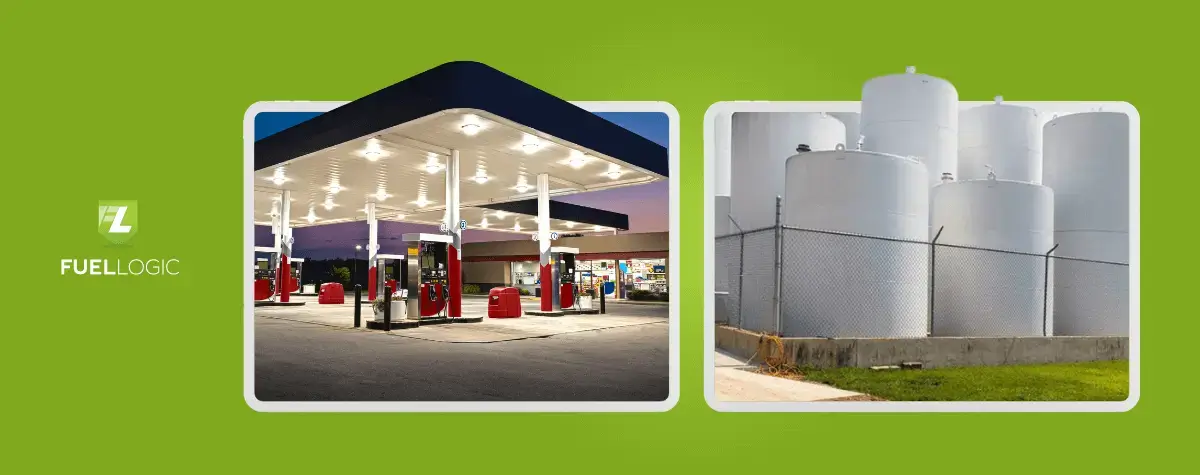
Is It Cheaper to Buy Diesel in Bulk or Retail Fuel?
Retail fuel is purchased at public gas stations for immediate use, offering convenience but higher costs. Bulk fuel is delivered to on-site storage tanks, offering lower prices, greater efficiency, and control for businesses with large fleets. The world has been dependent on fossil fuels to a greater degree recently than ever before, and so is…
-
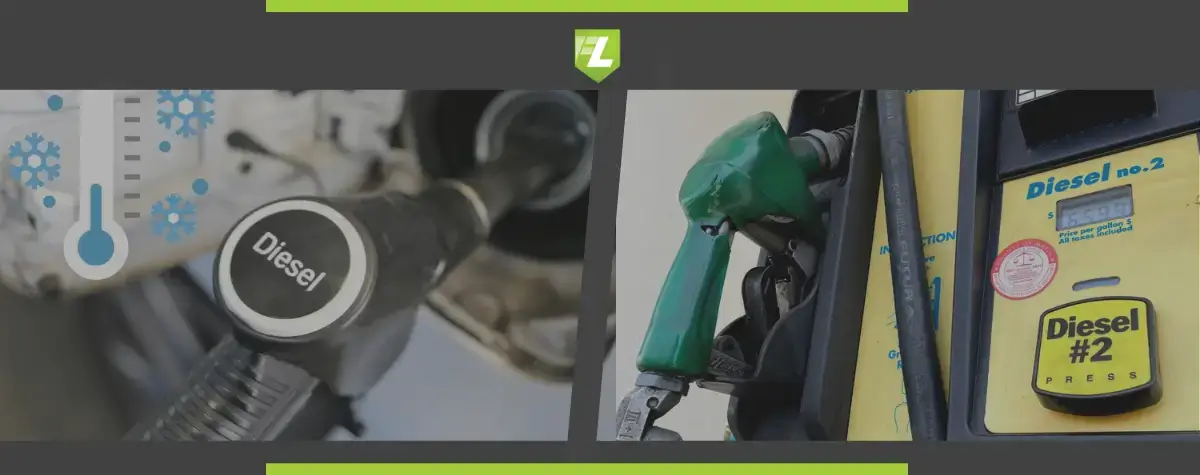
The Key Differences Between Diesel Fuel: Diesel 1 vs Diesel 2 Fuel
Diesel #1, or winter diesel, is lighter and resists gelling in freezing temperatures, making it ideal for cold climates. Diesel #2 is denser, offers better fuel efficiency and lubrication, and performs best in warm weather or heavy-duty engines. Diesel fuels come in two main types—Diesel 1 and Diesel 2. While both power diesel engines, they…
-

DEF in Cold Weather: Temperature of DEF Freezing Point
Diesel Exhaust Fluid (DEF) freezes at 12°F (-11°C) due to its 32.5% urea and 67.5% deionized water composition. Freezing doesn’t reduce DEF quality, but expansion during freezing can damage containers. Most vehicles use DEF tank heaters to thaw the fluid automatically. Diesel Exhaust Fluid is a mixture of deionized water and urea. This solution is…
-

27 Ways to Improve Fuel Economy: Smart Tips to Save Money
Improving fuel economy involves keeping tires properly inflated, avoiding idling, accelerating and braking smoothly, maintaining a steady speed, reducing extra weight, combining trips, changing air filters and oil regularly, and using air conditioning wisely. These habits lower fuel consumption, reduce maintenance costs, and cut carbon dioxide emissions. Fuel efficiency makes vehicles go the extra distance…
-

Construction Site Refueling Best Practices: A Complete Guide to Fuel Delivery and Management
Construction site refueling best practices include staying alert, preventing spills, ensuring ventilation, properly storing fuel, and avoiding ignition sources. OSHA regulations require using approved containers for flammable liquids and maintaining a 25-foot distance from other operations when transferring over 5 gallons. Key practices also involve keeping refueling sites clean, using containment strategies, and having site…
-
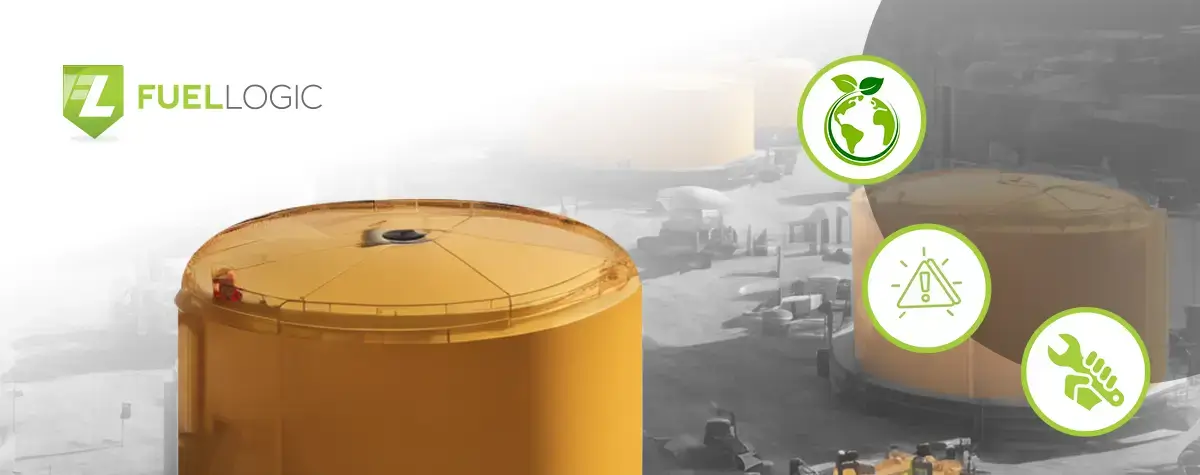
Your Complete Guide to Choosing Construction Fuel Tanks
To choose a construction fuel tank, consider project size, fuel usage, mobility, security, and regulatory compliance. Steel tanks offer strength and durability, while aluminum tanks provide a lightweight and corrosion-resistant option for flexible site use. Exploring the landscape of construction fuel tanks is a pivotal aspect of effective project management, seamlessly intertwining considerations of efficiency,…
-

Cell Tower Backup Power Explained
Cell towers maintain service during outages using batteries, diesel generators, and sometimes fuel cells. While FCC guidelines suggest 8 hours of backup, actual runtime varies from 4 to 72 hours depending on battery size, generator capacity, and site importance. Cell Towers and Their Backup Power Requirements A reliable phone network is not just a convenience…