

Gasoline
From the Blog
-

Are Electric Vehicles Better Than Gas?
In 2024, electric vehicles (EVs) accounted for only 10% of new car sales in the U.S. While EVs offer environmental benefits, long-term savings, and superior torque, they typically have higher upfront costs, pose concerns regarding charging access, and possess a shorter range for long trips compared to gas cars. The argument goes on raging worldwide:…
-
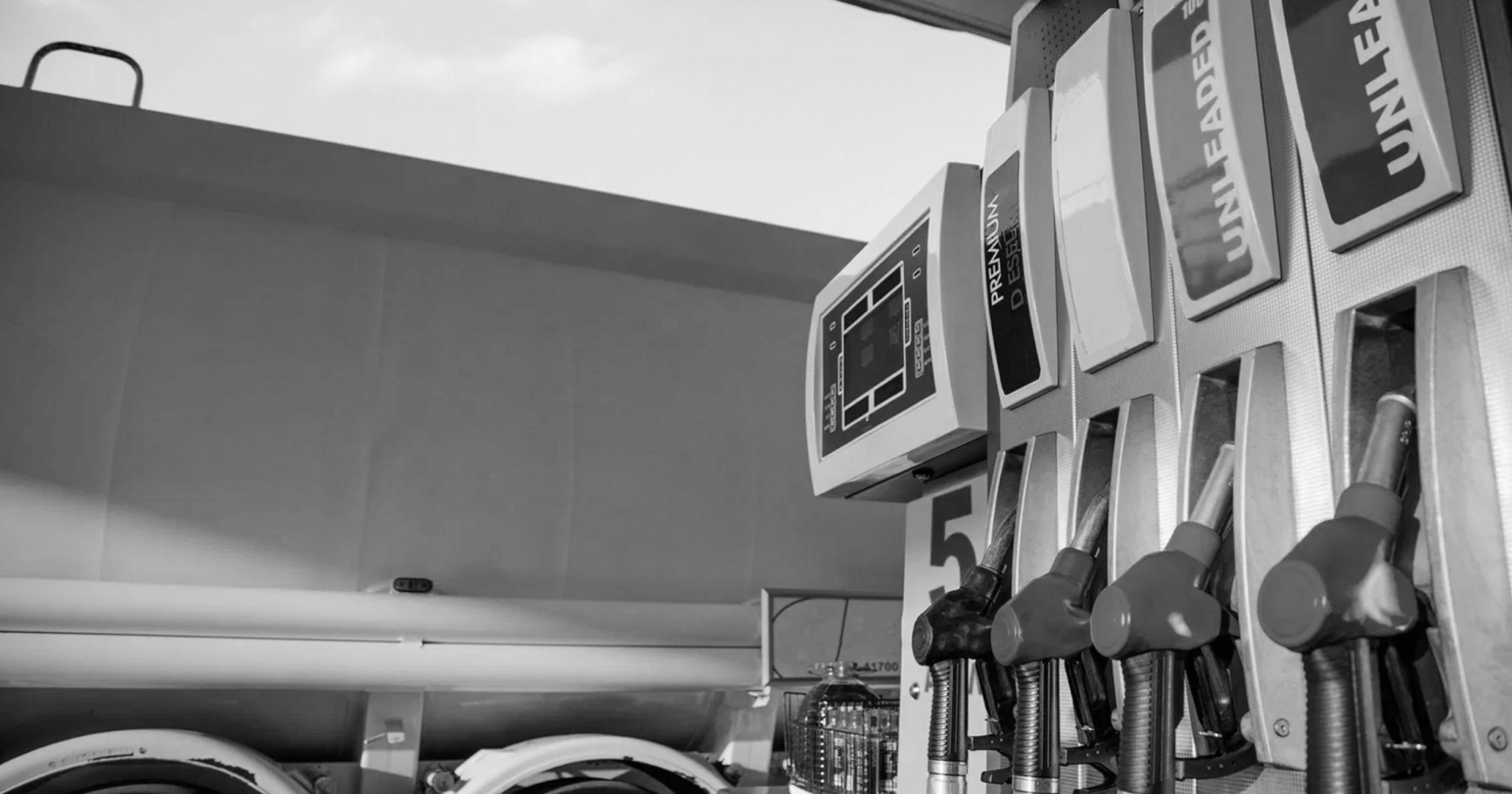
What are the Benefits of Premium Gasoline?
Premium gasoline, with an octane rating typically between 91 and 94, enhances engine performance and efficiency, prevents engine knock and ping, and contributes to a cleaner engine with reduced emissions. It also promotes the longevity of high-performance engines by ensuring smoother combustion. Do you also think premium gas is just for luxury cars? Think again.…
-

How to Spot a Faulty Gasoline Pump and What to Do About It
As of 2025, approximately 1 in 5 gas stations in Houston had at least one faulty pump, frequently exhibiting “pump jumping” where charges are processed before fuel dispenses, leading to less fuel being received than paid for. Other signs of a faulty pump include slow flow, inconsistent pumping, no gas dispensing, failure of automatic shutoff,…
-

How Gasoline Price Forecasting Can Benefit Your Business
In November 2024, the average price of regular gasoline in the United States was about $3.09 per gallon, though prices vary by region due to taxes and local regulations. Gasoline price forecasting helps businesses plan smarter budgets, control fuel costs, and optimize purchasing strategies by predicting future price changes. Accurate forecasts enable companies to mitigate…
-

What is the Main Difference Between Petrol and Diesel?
The main difference between petrol and diesel lies in their chemical composition and combustion processes, with diesel being denser and containing more energy per liter, utilizing a higher compression ratio for ignition, unlike petrol engines which rely on spark plugs. Diesel engines offer better fuel efficiency and torque, while petrol engines are known for performance…
-

What is the Best Gas to Use for Your Vehicle?
The best gas to use for your vehicle is Top Tier™ certified gasoline with the octane rating recommended in your owner’s manual. Top Tier fuel contains enhanced detergents that remove carbon deposits, improve combustion, and extend engine life compared to non-certified fuels. Many drivers struggle to pick the right fuel for their vehicle’s engine. This…
-
Why Is It Called Gasoline
Gasoline is called gasoline because the word combines “gas” (its volatile, evaporating nature), “-ol” (from the Latin oleum, meaning oil), and “-ine” (a chemical suffix for refined derivatives). The name originated in 1865 in the United States, evolving from a British trade name called “Cazeline” or “Gasolene.” Did you know the US is the world’s…
-

Top Tips For Using Summer Blend Gasoline Efficiently
To use summer blend gasoline efficiently in 2024, maintain proper tire pressure, perform regular vehicle maintenance including oil changes every 3,000 to 5,000 miles and spark plug replacements every 30,000 to 100,000 miles, and use the recommended grade of motor oil. Additionally, drive smoothly, reduce excess weight, minimize air conditioning use, plan and combine trips,…
-
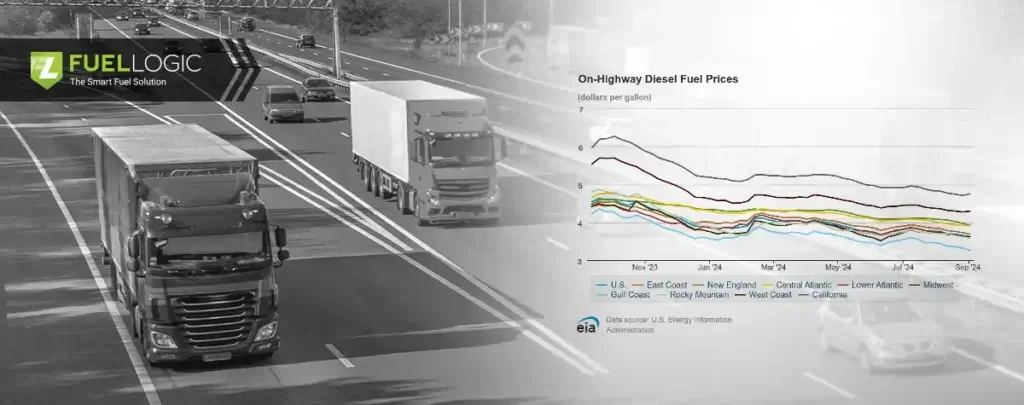
How US Gas Prices Affect the Overall Economy
As of September 12, 2024, US gas prices, currently $3.382 per gallon, affect the economy by influencing inflation, transportation costs, and consumer spending, which in turn impact economic growth. Gas prices also impact business expenses and job creation, with the U.S. having pumped 21.91 million barrels per day in 2023, representing 22% of the global…
-
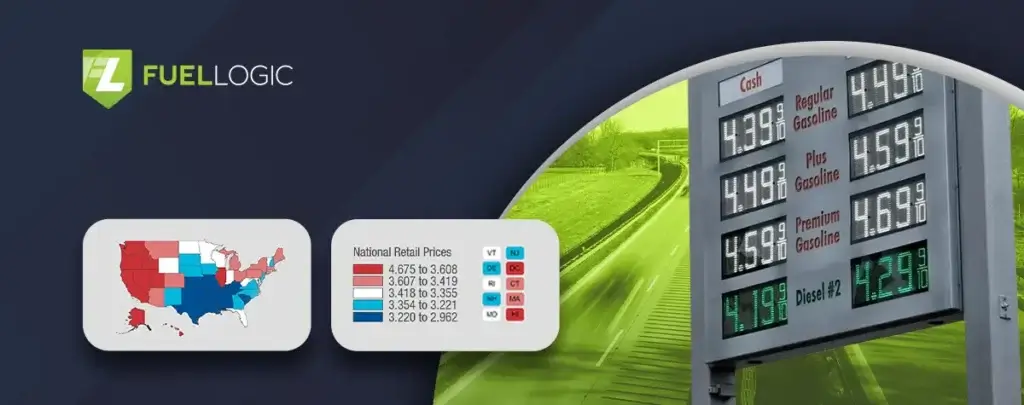
Why Do Gas Prices Vary From State to State?
Gas prices vary from state to state due to differences in state tax rates, environmental regulations, proximity to oil refineries and pipelines, and regional supply and demand. State fuel taxes alone range from under 10 cents per gallon in Alaska to over 77 cents per gallon in California, according to the U.S. EIA. These tax…