
Fuel Types
From the Blog
-
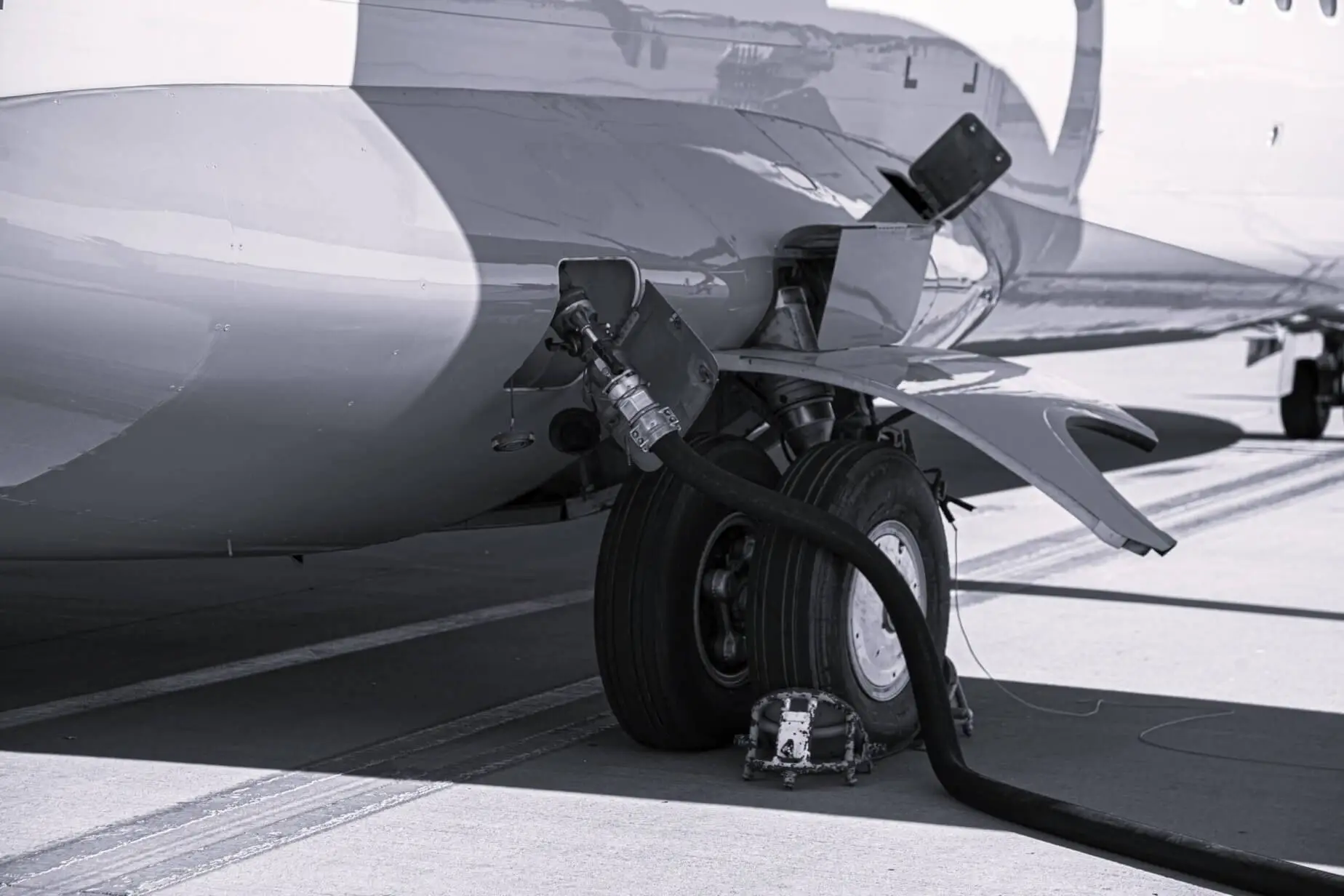
What’s The Difference Between Jet Fuel And Diesel?
The main difference between jet fuel and diesel is that jet fuel, like Jet A-1, is a kerosene-based fuel formulated for turbine aircraft engines, optimized for clean burning and cold-weather performance. In contrast, diesel is a denser fuel for compression-ignition engines in ground vehicles and heavy equipment, offering higher lubricity and torque. In our everyday…
-

Most Common Alternative Fuels—What You Need to Know
Alternative fuels including biodiesel, electricity, ethanol, hydrogen, natural gas, and propane, burn cleaner than gasoline or diesel, with their renewability and infrastructure support varying. These fuels are responsible for almost 10% of global energy consumption and are projected to lower carbon emissions by up to 70% by 2050. With the rise in the global energy…
-

Do Fuel Additives Really Work?
Fuel additives, while not a universal solution, can be helpful in specific scenarios by cleaning fuel systems, stabilizing fuel, and preventing water buildup. They are most beneficial for older vehicles, in cold climates, or for long-term fuel storage, rather than for all applications. You have probably noticed that automotive maintenance stores have shelves filled with…
-

What is Ethanol Fuel?
Ethanol fuel, an ethyl alcohol from the organic chemical group, is a renewable, plant-based energy source reducing harmful emissions and contributing to carbon neutrality. Common ethanol blends like E10, E15, and E85 vary in concentration, with low blends safe for most vehicles and higher blends primarily used in flex-fuel vehicles. Ethanol fuel is an introduction…
-

Why Do Big Trucks Use Diesel Instead of Gasoline?
Big trucks use diesel instead of gasoline because diesel engines deliver higher torque, better fuel efficiency, and longer engine life. According to DTF, about 75.6% of commercial trucks worldwide run on diesel as of December 2022. Diesel’s higher energy density allows engines to produce more torque at lower RPMs, making it ideal for hauling heavy…
-

3 Types of Fuel: Uses, Examples & Which One You Need
Fuels are classified into three main types: solid (coal, wood) for heating and industry, liquid (diesel, gasoline) for transportation, and gaseous (natural gas, LPG) for cooking and power. Each differs in energy output, storage, and application across homes, industries, and vehicles. What Is Fuel? Fuel is a substance that produces energy through combustion or conversion.…
-

How To Choose The Right Fuel for Generators
Choosing the right generator fuel depends on your needs: gasoline is ideal for short-term, portable use; propane stores cleanly for long periods; diesel delivers efficiency for heavy-duty generators; natural gas offers continuous, low-maintenance supply when a fixed connection is available. Selecting the appropriate fuel for generators is a critical decision that impacts its efficiency, reliability,…
-

What Fuel Do Trains Use?
Modern trains mainly use diesel or electricity. Diesel-electric locomotives burn diesel fuel to power onboard generators that drive electric motors. Electric trains use power from overhead lines or rails. Some newer models now use renewable diesel, biodiesel, hydrogen, or battery systems to lower emissions. Trains have played a pivotal role in shaping the modern world…