

Case Study: How a Houston HVAC Fleet Recovered Nearly $145,000
Industry: Logistics & Transportation
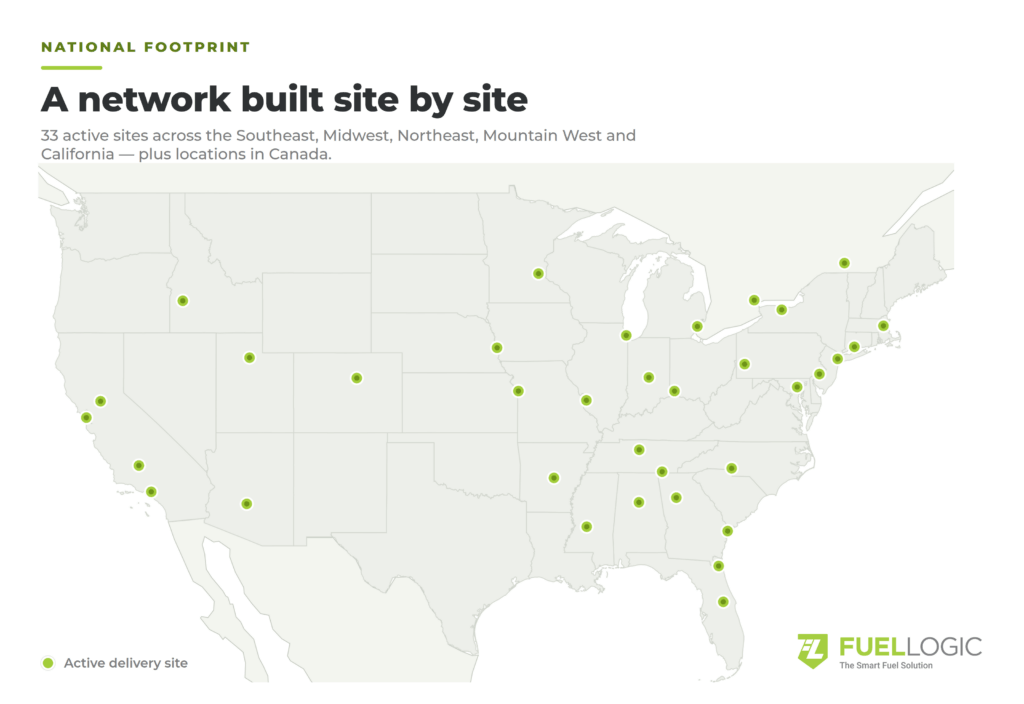
Operating nationwide across the United States and Canada
Every Growing Logistics Company has this problem
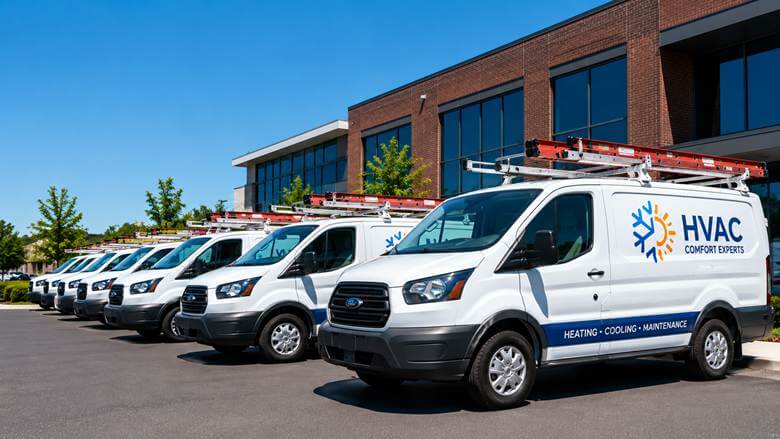
A Houston-area HVAC service company runs a hub with 120 technicians and 20 vehicles, mostly service trucks with a handful of vans mixed in. Every morning, before heading out on calls, techs fueled up. The company ran on fleet cards, and on the surface, nothing looked broken. Drivers had fuel access. Transactions got logged. The markup per gallon wasn’t outrageous.
What got Fuel Logic in the door wasn’t a spreadsheet. It was a gut feeling: somebody was worried about fuel theft, and general fuel cost had started to nag at leadership. That’s a normal way for this conversation to start. Almost nobody calls us because they ran the numbers first. They call because something feels off, and it usually is, just not in the place they expect.
“Before Fuel Logic, every site had its own fuel process and its own vendor issues. Now we have one dependable partner, and that has made the operation so much easier to manage.”
– Logistics Manager
What looked fine wasn’t the problem
The site was moving 240,000 gallons a year through fleet cards at an average price of $3.80 a gallon. That’s $912,000 a year in fuel spend. The card markup on top of the base price ran about $0.05 a gallon, adding up to roughly $12,000 a year.
Twelve grand is real money. It is also not the number that mattered here.
The real cost was technicians standing at a pump instead of standing in front of a customer’s air handler.
The part nobody was tracking
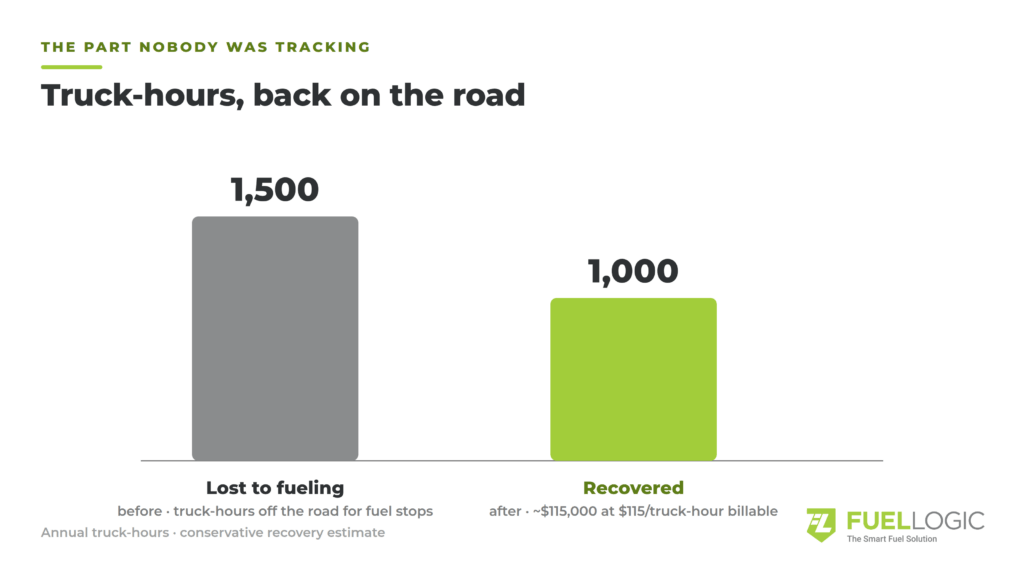
Every truck was losing an estimated 0.30 hours a day to fueling before the crew rolled out. On one truck, that is nothing. But a truck fueling isn’t a truck working, and when the whole crew rides out on that truck together, the whole crew is standing still for that window, not just whoever’s holding the nozzle. Across 20 trucks, 250 workdays a year, that adds up to 1,500 truck-hours a year lost to fuel stops instead of billable work.
At a $115-an-hour billable rate per truck, that is $172,500 in revenue capacity the site never got to touch.
That is the number that changed the conversation. The fleet cards weren’t failing at their one job. They were just never built to solve the actual problem, which had nothing to do with price per gallon and everything to do with where fueling sat in the truck’s day.
What we changed, and what we didn’t
We didn’t rip out the fleet card program. Techs still went out of range of the hub sometimes, and the card still covers that. Getting rid of it entirely would have traded one problem for another.
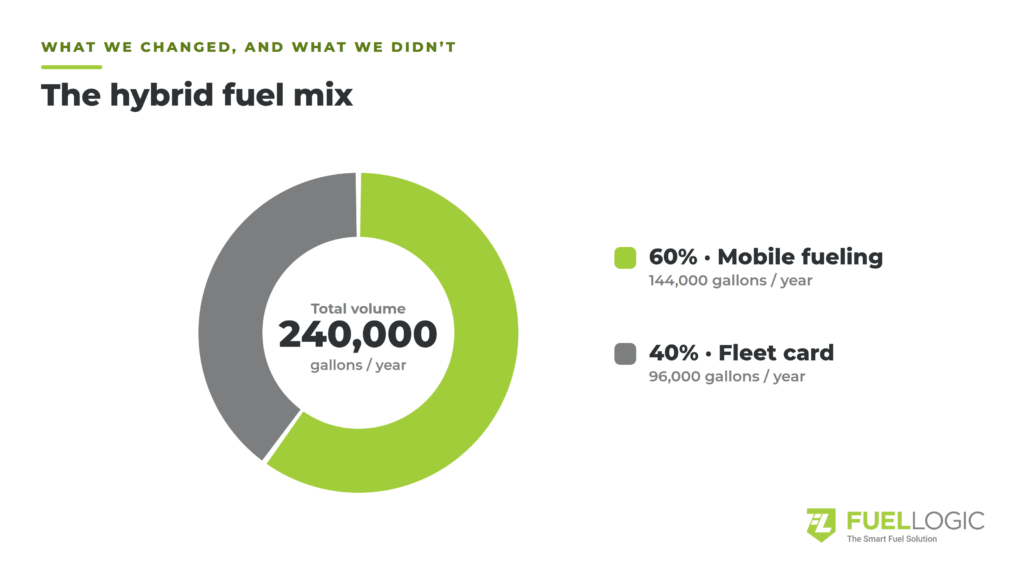
Instead, we restructured the mix. Fleet card usage dropped to 40% of annual volume, about 96,000 gallons, for the situations where it still makes sense. The other 60%, roughly 144,000 gallons, moved to mobile fueling: wet hosing straight into the vehicles at the hub, overnight, before the shift even starts.
Site assessment and setup took a day. Deliveries started the next day. No pilot, no long ramp-up. That is not unusual for a single-hub build like this one, once we know the gallons, the yard layout, and the timing.
The direct fuel numbers
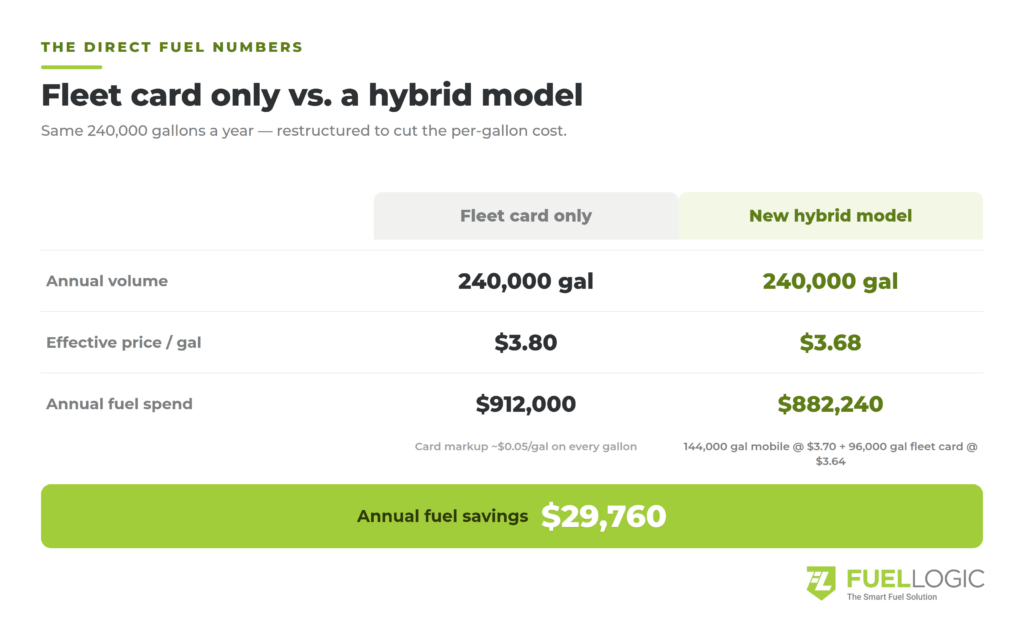
Once the fleet card markup got renegotiated down to $0.04 a gallon, the new structure looked like this:
- Fleet card portion: 96,000 gallons × $3.64 = $349,440
- Mobile fueling portion: 144,000 gallons × $3.70 = $532,800
- New annual fuel total: $882,240
Against the old $912,000, that’s $29,760 in direct annual fuel savings. Worth having. Not the headline.
The number that actually matters
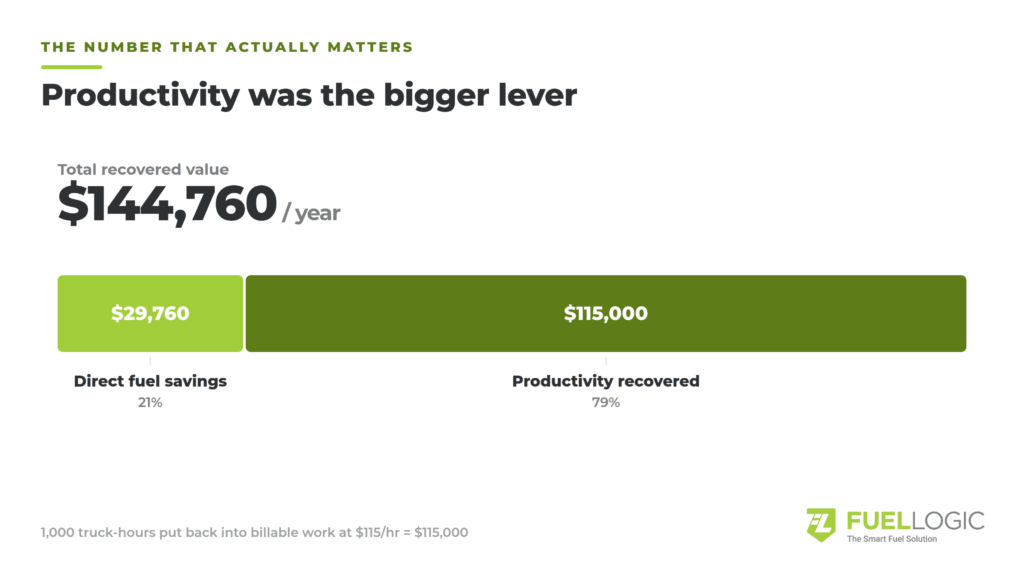
Moving 60% of fueling to overnight delivery meant trucks stopped losing time to fuel stops before every shift. Using a conservative recovery estimate of 1,000 truck-hours a year, at $115 an hour, that is $115,000 in recovered revenue capacity.
Add the direct fuel savings and the total annual impact lands at roughly $144,760.
That is the whole idea behind hybrid fueling. It isn’t about squeezing the last nickel out of a gallon of diesel. It’s about getting the truck full before the tech ever needs to think about it, so the day starts with a wrench in hand instead of a fuel nozzle.
What changed on the ground
Route starts got faster. Overtime, missed appointments, and idle time all came down. Accounting reported cleaner reconciliation once fewer gallons ran through a system that made it easy for a handful of people to take advantage. Technicians showed up to full trucks and went straight to the job.
The fleet card still has a seat at the table. It’s just not carrying the whole program anymore.
Where it stands now
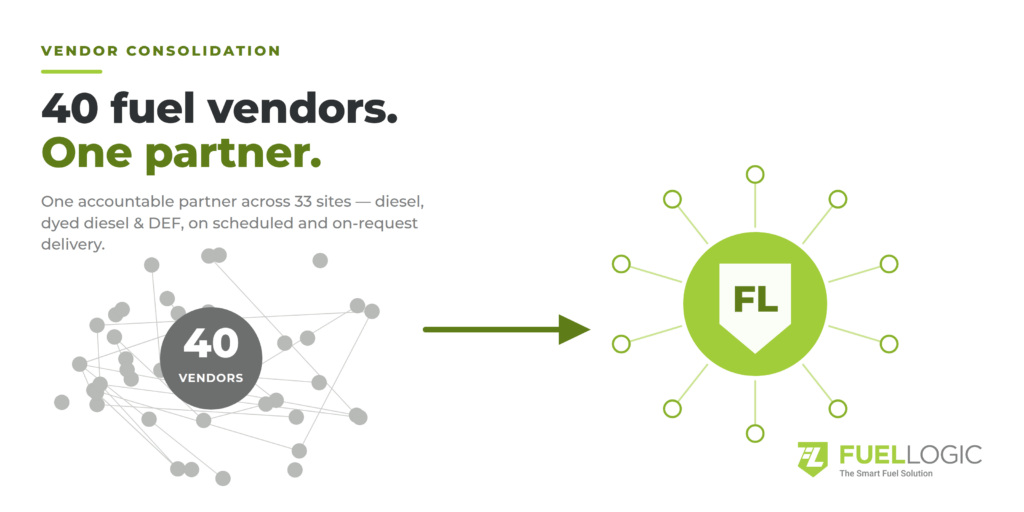
Fuel Logic still services this site, and the relationship has grown to include DEF delivery on top of fuel. The model hasn’t rolled out to other locations in the account yet, since this was a regional engagement rather than a nationwide one. But the math holds regardless of how many hubs are running it: the more technicians you have fueling on the clock, the more that “small” morning fuel stop is actually costing you.
If a fleet card program is quietly eating an hour of billable time a week per technician, and nobody’s added it up yet, that’s worth a phone call before it’s worth a spreadsheet.
Key takeaways
60% of fuel volume moved to overnight mobile fueling—without eliminating fleet cards.
Fleet cards still covered out-of-range fueling, while 144,000 of 240,000 annual gallons shifted to overnight wet hosing at the hub.
1,000 truck-hours returned to billable work.
Removing routine pre-shift fuel stops recovered an estimated 1,000 truck-hours per year—worth $115,000 at the fleet’s $115-per-truck-hour billable rate.
Direct fuel costs fell by $29,760 per year.
The hybrid model reduced annual fuel spend from $912,000 to $882,240 while preserving flexibility for technicians working beyond the hub’s range.
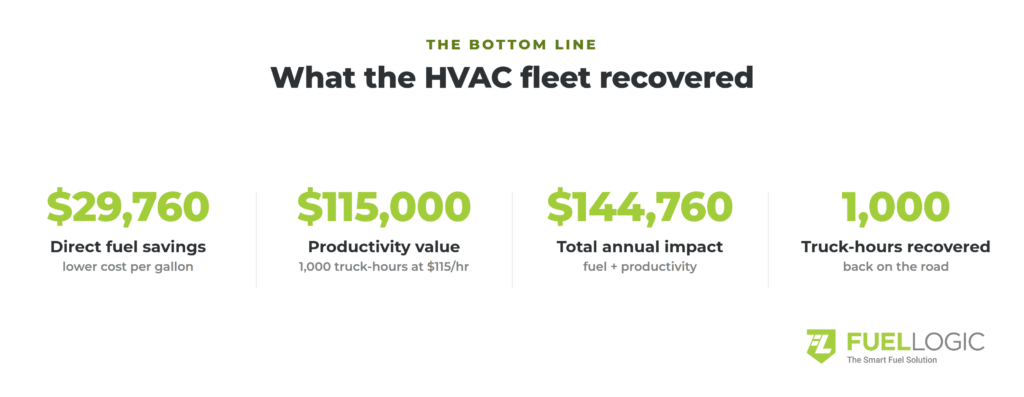
The combined annual impact reached approximately $144,760.
Recovered revenue capacity contributed $115,000, while direct fuel savings added another $29,760.
A one-day setup produced faster starts and cleaner operations.
Deliveries began the next day. Trucks started shifts full, idle time and overtime declined, reconciliation improved, and the relationship later expanded to include DEF delivery.
Ready to simplify fuel across your own footprint?
If your team is managing fuel site by site, with a different vendor for every location, that’s not a fuel problem. It’s a management problem, and it’s fixable. Talk to Fuel Logic about bringing your locations under one accountable partner.